

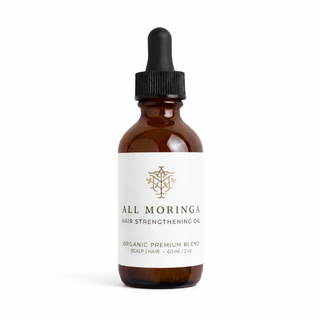
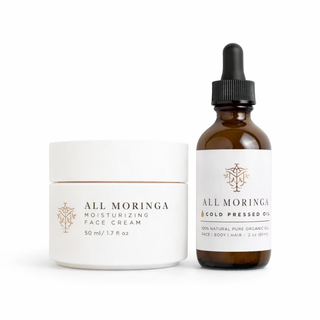
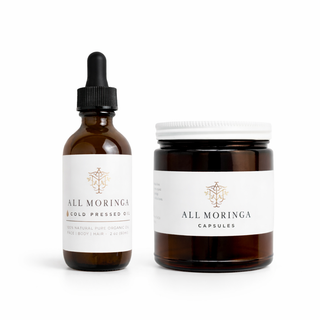
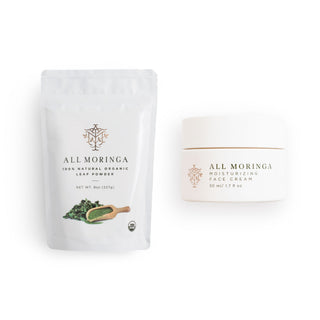
Moringa Leaf Powder vs. Moringa Seed Oil: What Each One Does

Unlock the Power of Nature: Discover the Health and Beauty Benefits of Moringa Leaves and Oil
Moringa’s status as a superfood has been supported not just by traditional wisdom and use, but also through careful research. Virtually every part of this tree can be used. Its roots, bark, seeds, seed pods, leaves and flowers have been part of food and traditional practice throughout Asia and Africa and provide a rich source of sustenance. In fact, the Moringa tree is part of many programs fighting malnutrition on the two continents.
Moringa is a fast-growing tree that can be grown in tropical and subtropical regions without much effort. It is hardy and drought-resistant, making it even more valuable as a food source in areas that are prone to arid conditions and prolonged dry spells. While the flowers and the pods, commonly called “drumsticks" for their elongated appearance, are seasonal, the leaves are available throughout the year. They can be eaten fresh or dried for later use without losing their nutritional benefits. The seeds of the plant can be roasted or eaten fresh, much like peas, and are a rich source of essential fatty acids and other nutrients. The mature seeds are processed into the coveted Ben oil, also known as Moringa oil, which is typically used externally but is edible, too.
The two most popular products derived for this tree are Moringa Leaf Powder and the Moringa Seed Oil. Both products are highly valued for their medicinal and nutritional benefits. Though they come from the same source, the two products are very different from each other and provide different benefits. If you are unsure about which you wish to use, read on to learn the benefits and uses of each, and make an informed choice.
Moringa Leaf Powder
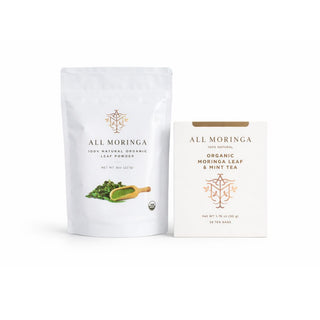
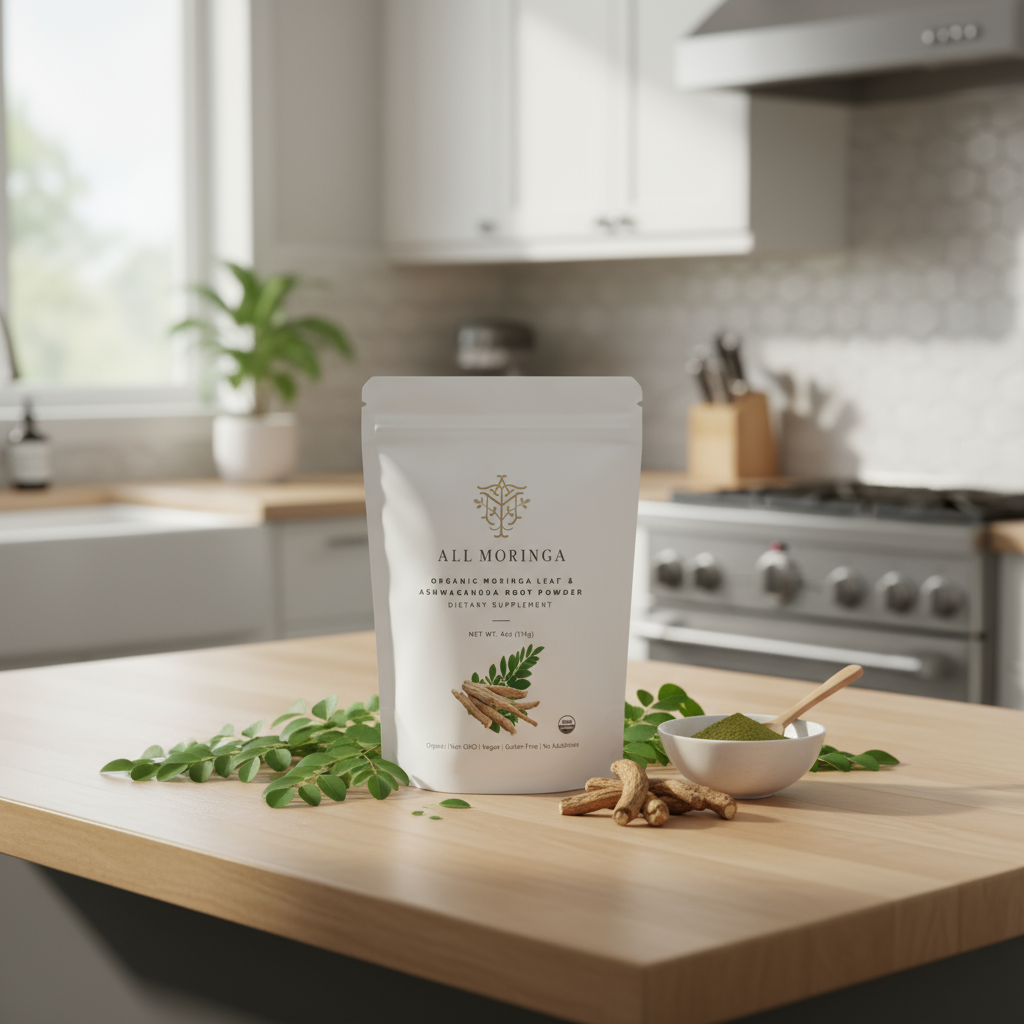
Fresh Moringa leaves are delicious and can be used much like spinach. But they are not readily available, and they can’t be stored for very long. That’s why the Moringa leaf powder has taken the world of food supplements by storm in recent decades. In this form, it’s easy to use Moringa leaves to supplement your diet and enjoy the same enormous health and nutritional benefits that you would with a fresh leaf. Moringa leaves are known to be rich in protein, several essential minerals and micro nutrients, β-carotene and antioxidant compounds.
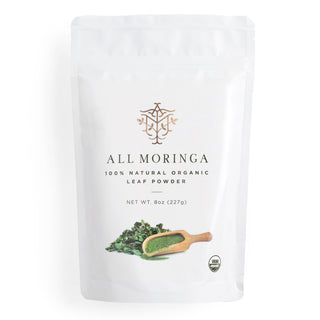
Moringa leaf powder is made from dried leaves. To obtain the powder, fresh green leaves are harvested, cleaned and shade dried. They are then pounded into a powder that can be stored for a long period of time. If properly sealed and stored, Moringa leaf powder can be effective indefinitely. These dried leaves actually contain more nutrients than fresh ones, as the nutrients are more concentrated after the drying process. The leaves have to be shade dried to preserve all the nutrients. When dried in the sun, they are known to lose some of their potency.
Using Moringa Leaves
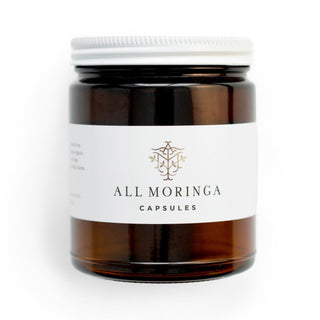
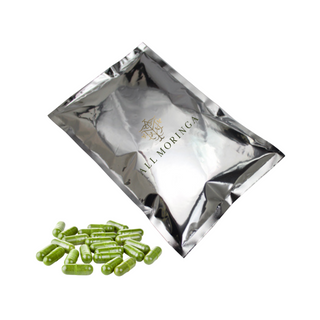
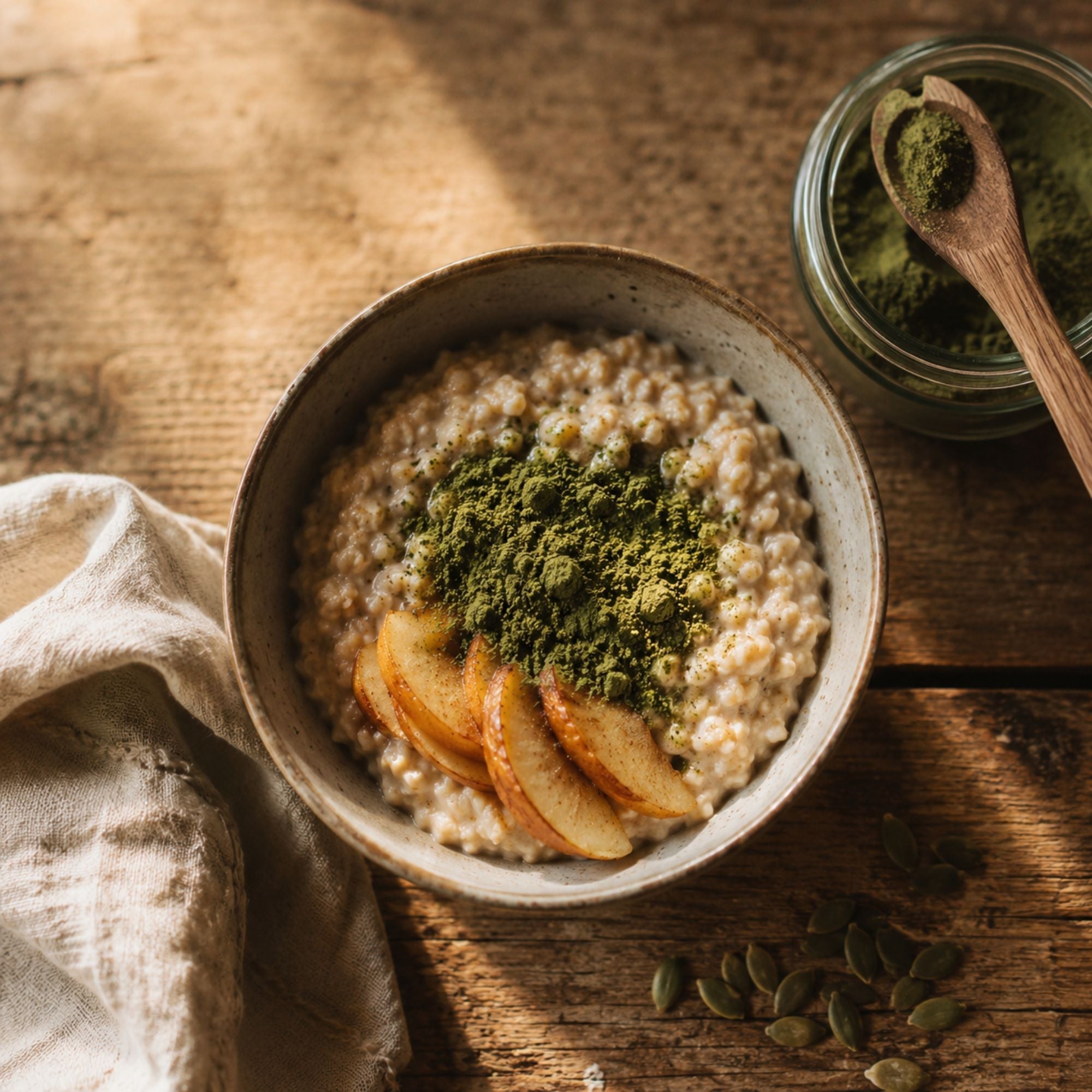
If you find fresh green Moringa leaves, they can be used in salads, soups, as side dishes, and in stir fries. The dried Moringa leaf powder can be used as a condiment or taken as capsules, like most other health supplements). They can be added to your daily smoothies, shakes, health drinks and soups. Or they can be used to prepare healthy and delicious Moringa tea.
The Moringa leaves are currently processed into many different products, from Moringa leaf capsules to tablets, Moringa tea, toiletries, and health and beauty products to extract their benefits.
Moringa leaf powder not only provides nutritional value, it also has a long history in the traditional medicine systems of India and Africa, where the leaves were used for a wide range of everyday complaints. Traditional use is a record of how people lived with the plant, not proof that it works for any condition.
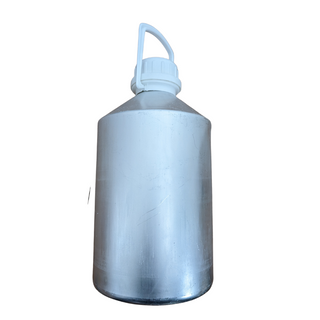
Moringa Oil
Moringa seed oil was well known to ancient Indian practitioners, who used it in traditional remedies. This oil has also been used for several millennia in skin and hair care products. Moringa oil has been documented in ancient Indian and Egyptian writings as something used in cooking, in traditional remedies, for beauty treatments, and even for embalmment.
Moringa oil is derived from the seeds of Moringa pods. While tender Moringa pods are used for food, once they ripen the seeds are extracted and pressed to produce the nutritious and useful Moringa oil. The seeds have been studied in the lab for antimicrobial qualities.
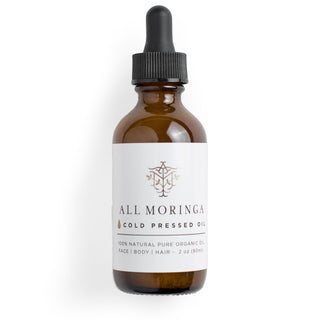
Research on moringa oil describes cold pressing as a good way to keep its natural qualities. The seed kernels have a high oil content, with oleic acid being the main fatty acid present, which gives Moringa oil a fatty-acid profile similar to olive oil. Monounsaturated fats like oleic acid are part of a heart-friendly diet. With sterols and tocopherols, Moringa oil is a nutritious and stable oil.
Using Moringa oil
The ancients knew well the benefits of this amazing oil and used it in skin care and beauty products. Both the Romans and Greeks used it in perfumes, lotions, balms and ointments. The Egyptians used it to protect the skin against harsh conditions, heat and dust. They also used it for embalming their dead.
 Moringa oil has a long history on the skin and hair and, in many parts of the world, in the kitchen as well. It contains natural antioxidants and has been studied for antimicrobial qualities. It also contains Vitamin E, which is valued for its role in skin care. Moringa oil deeply moisturizes the skin and leaves it soft and supple. The British took this prized oil to Europe, where it was initially used as an industrial lubricant. It was the favorite oil of the watch- and clock-making industry, which used it to lubricate the delicate parts of the movement mechanisms. Now, of course, it is used in many other ways.
On the skin, Moringa oil soothes dryness, softens rough patches and makes a gentle cleansing oil that lifts away makeup and the grime of a city day. It is also an excellent hair conditioner that moisturizes a dry scalp and leaves hair soft and glossy. If you have a skin or scalp condition, check with your dermatologist first. It has been used for:
- Relaxation and sleep
- Perfume
- Lubricants
- Soaps
- Biofuel
- Cooking
Used in cooking, Moringa oil is quite palatable, with a light nutty flavor. It doesn’t go rancid easily, and has a high smoking point, making it a substitute for other vegetable oils with lower thermal stability. Like any oil rich in oleic acid, it can be part of a balanced diet.
Learn the Secrets of Moringa Leaf Powder and Moringa Oil: A Close Comparison

Since these two products come from the same tree, they provide many similar benefits. While the leaf powder is useful for preventing malnutrition and as a food supplement, Moringa oil goes beyond health and nutritional benefits to also be used as a beauty product and as an industrial lubricant.
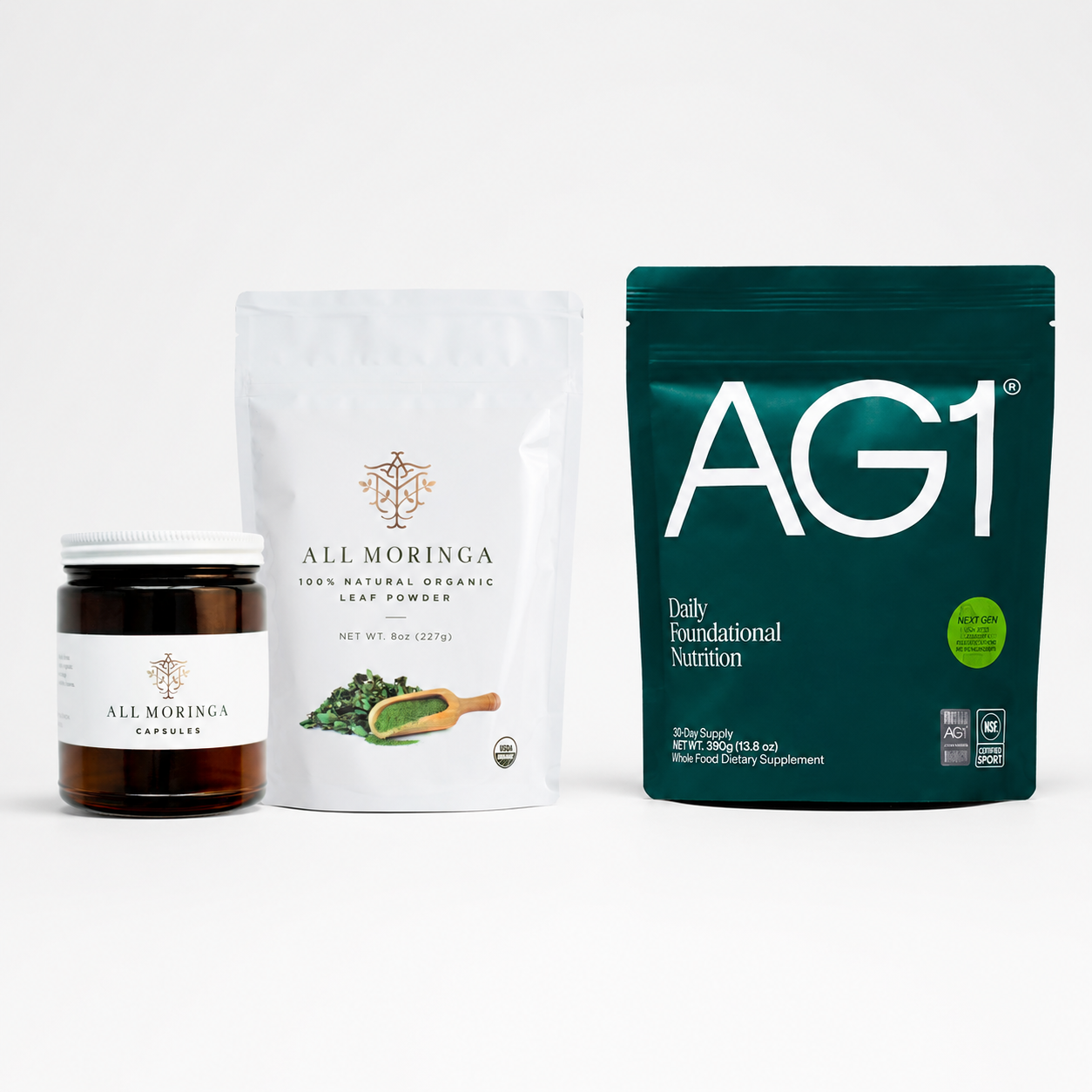
Moringa leaf powder is edible, delicious and nutritious when added to soups, smoothies, shakes and tea. For people who prefer not to add it to their food, it also comes in the form of capsules that can be taken as health supplements.
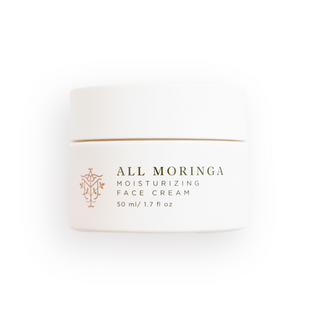
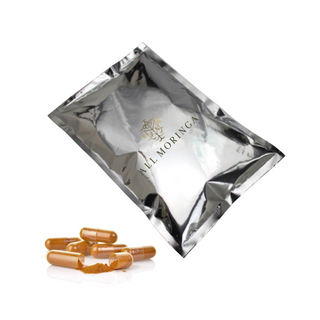
The oil, on the other hand, can be used to cook food or added to foods such as salads. The oil can also be used as a beauty and massage oil. It can be made into beauty products, moisturizing creams, balms and ointments.
When using Moringa as a food supplement, the leaf powder is definitely the better of the two products. It is packed with proteins and nutrients, including micro-nutrients such as zinc and calcium.
The major difference between the leaf powder and the oil lies in the fat content. The leaf powder contains very little fat, just 2.3%. Most of the fats in Moringa are contained in the seed kernel that is processed for oil. Moringa oil is rich in unsaturated fatty acids, mostly oleic acid (omega 9). It contains few vitamins or phytochemicals, but it carries plant sterols and is a good source of Vitamin E.
Comparing Moringa Powder and Moringa Oil
| Moringa Leaf Powder | Moringa Oil | |
| Uses | Food supplement, cooking, cattle feed | Food supplement, cooking, skincare and cosmetic products, industrial applications |
| Nutritive value |
Contains the following: Carbohydrates dietary fiber Protein Calcium Magnesium Potassium Iron Trace mineral. Vitamin A Vitamin B1, B2, B3 Vitamin C Vitamin K Various amino acids like Arg, His, Lys, Trp, Phe, Thr, Leu, Met, Ile, Val 28% protein |
Contains the Following: Fats 100 %out of which it has per 100 grams Saturated fats: 20.8 g Unsaturated fats: 78.6 g Polyunsaturated fats - .6%g oleic acid, palmitic acid, and linoleic acid A natural antimicrobial compound called pterygospermin Also contains: Sterol Vitamin E Vitamin A Vitamin B Vitamin C Flavonoids (antioxidants) |
| Benefits |
Moringa leaves have been eaten for centuries as a nutrient-dense green. They provide vitamin C and vitamin A, which contribute to normal immune function, iron and B vitamins, which contribute to normal energy metabolism, and nutrients that support healthy skin and hair. Researchers are also studying the leaf for its role in blood sugar and its antioxidant activity.
Nutritional benefits, low in fat. Antioxidant compounds studied for antimicrobial and anti-inflammatory activity in the lab |
Skin and hair care, cooking, and also industrial lubricant and biodiesel. Rich in oleic acid. Natural antioxidants (tocopherols); studied in the lab for antimicrobial activity. |
| Shelf life | Can be stored indefinitely without losing potency when stored in an airtight container in a cool dark place. | Long shelf life and doesn’t go rancid. |
| How to use | Can be used raw, cooked or added to food | Can be used raw in salads, used as cooking oil to sauté, fry, and cook food. |
| Cautions for use |
Some of the medications to be particularly aware of are:
|
Ask your doctor before using any moringa product during pregnancy. |
| Presentation | Capsules, tablets, loose powder |
Capsules or bottles |

Disclaimer: The above statements have not been evaluated by the FDA. This product is not intended to diagnose, treat, cure, or prevent any disease
Resources:
https://www.sciencedirect.com/science/article/pii/S2213453016300362#bib0410
https://www.ncbi.nlm.nih.gov/pmc/articles/PMC8373516/
https://lipidworld.biomedcentral.com/articles/10.1186/s12944-016-0379-0
Nadeem M, Imran M. Promising features of Moringa oleifera oil: recent updates and perspectives. Lipids in Health and Disease, 2016. https://pubmed.ncbi.nlm.nih.gov/27931216/
FDA Disclaimer

*This statement has not been evaluated by the Food and Drug Administration. This product is not intended to diagnose, treat, cure, or prevent any disease.
1 comment
Yes I will order morning leaf a dear friend told me about it
jackie Womack
Leave a comment
This site is protected by hCaptcha and the hCaptcha Privacy Policy and Terms of Service apply.