

Moringa for Blood Sugar: What the Science Really Shows

Managing blood sugar levels has become one of the most important wellness conversations of our time. With rising rates of insulin resistance, prediabetes, and type 2 diabetes, many people are exploring food-based approaches to support healthy glucose metabolism—and one plant continues to draw scientific attention: Moringa oleifera.
If you're wondering whether moringa for blood sugar support is backed by real research or just wellness marketing, this article breaks down what human studies actually show, how moringa may influence glycemic control, and what you need to know about safety and quality.
At All Moringa, we believe in one simple truth: nature recognizes nature. The body absorbs and uses what it understands—whole foods with real nutrients, not isolated compounds or synthetic formulas. Let's explore what the research reveals about moringa and blood sugar balance.
What Is Moringa? Understanding the Whole Leaf
Moringa oleifera, sometimes called the drumstick tree, is a fast-growing plant whose leaves have nourished communities in Africa, Asia, and South America for generations. Unlike isolated supplements or pharmaceutical interventions, moringa leaves offer a complete nutritional matrix that includes:
- Dietary fiber to support digestion and nutrient absorption
- Polyphenols including chlorogenic acid, quercetin, and kaempferol
- Isothiocyanates with anti-inflammatory properties
- Vitamins and minerals involved in metabolic pathways, including magnesium and potassium
This matters when we talk about moringa and blood sugar: we're not discussing a single "active ingredient" extracted in a lab. We're exploring how a nutrient-dense whole food may gently support your body's natural glucose metabolism.
Most clinical research focuses specifically on the leaf—not the seed or root—because the leaf has the strongest history of safe consumption and is the primary form studied in human trials related to blood sugar management.

How Moringa May Affect Blood Sugar: The Science Behind the Mechanisms
Scientific interest in moringa for blood sugar support centers on three main pathways. These mechanisms help explain why researchers continue to study this ancient food—though it's important to understand what's proven in humans versus what's theoretical.
1. Dietary Fiber and Postprandial Glucose Response
Dietary fiber is well established for its role in slowing the rate at which glucose enters the bloodstream after eating. This helps moderate the blood sugar spikes that can occur after meals—what researchers call the postprandial glucose response.
Moringa leaf powder contains measurable dietary fiber, though exact amounts vary based on growing conditions and processing methods. While no human studies have directly measured how moringa affects digestion speed in the gut, this fiber content supports a plausible pathway for balanced glucose response.
Research reference: Jenkins et al. (2002) established the foundational understanding of how dietary fiber influences glycemic index and glucose response. View study
In simpler terms: moringa's fiber works the way real food works—gently, naturally, and as part of a whole nutritional matrix.
2. Polyphenols and Carbohydrate Metabolism
Moringa leaves are rich in bioactive polyphenols, particularly chlorogenic acid. Laboratory studies suggest these compounds may influence enzymes involved in breaking down carbohydrates into glucose, including α-amylase and α-glucosidase.
This is scientifically interesting because it mirrors—in a gentler, food-based way—how certain glucose-lowering medications function. However, it's critical to be precise:
- These effects are well documented in test tube and animal studies
- They suggest a supportive pathway, not a guaranteed clinical outcome
- Any benefit in humans is likely subtle and nourishing, not pharmaceutical
Research reference: Vargas-Sánchez et al. (2019) reviewed moringa's bioactive compounds and their proposed mechanisms for metabolic support. View study
We share this not to overclaim, but to help you understand why moringa continues to be studied for its role in blood sugar support.
3. Insulin Sensitivity and Antioxidant Pathways
Preclinical research suggests moringa may influence oxidative stress and inflammatory pathways involved in insulin resistance. Some animal models show improvements in insulin sensitivity and fasting blood sugar levels.
These findings help explain ongoing research interest. But we're careful not to present animal data as proof of human outcomes—your body is not a lab rat, and we honor that difference.
Research reference: Mthiyane et al. (2022) comprehensively reviewed proposed anti-diabetic mechanisms in preclinical models. View study

Does Moringa Lower Blood Sugar? What Human Studies Show
This is the question people actually search for—and it deserves an honest, research-based answer. Human clinical research on moringa and blood sugar is still limited, but what exists provides important context.
Post-Meal Glucose Studies: Short-Term Effects
One small human study examined what happened when moringa leaf powder was added to a meal. Researchers observed a reduction in the blood glucose rise that typically follows eating, particularly at higher doses of moringa.
The effect was:
- Short-term (measured over hours, not months)
- Dose-dependent (more moringa showed greater effect)
- Specific to post-meal response (not fasting glucose)
Research reference: Leone et al. (2018) conducted a real-world meal challenge study showing acute postprandial glycemic effects. View study
What this suggests: Moringa may help support balanced blood glucose levels after meals when used as part of a meal—not as a standalone fix or medication replacement.
Longer-Term Trials in People with Type 2 Diabetes
Clinical trials examining moringa supplements for diabetes over weeks to months have produced mixed results:
Study showing limited benefit: Taweerutchana et al. (2017) found that moringa leaf capsules in people with type 2 diabetes showed no significant improvement in glycemic control markers like HbA1c or fasting blood sugar. View study
Study showing promising results: Leone et al. (2025) conducted a three-month randomized trial in women with type 2 diabetes and reported improvements in glucose parameters with daily moringa leaf powder supplementation. View study
Important limitations: The positive study was unblinded and conducted in a specific population, which means results may not apply universally.
What Research Reviews Conclude
Systematic reviews that evaluate both human and animal studies on moringa and diabetes consistently conclude:
- Evidence is promising but inconsistent
- Study designs, doses, and formulations vary widely
- Current data are insufficient to recommend moringa as a primary diabetes treatment
- More rigorous, large-scale clinical trials are needed
Research reference: Owens et al. (2020) published a comprehensive review of moringa and metabolic disorders. View full article
We share this honestly because trust matters more than hype. Moringa is a deeply nourishing food—but it is not a cure for diabetes.

Animal Studies: Supportive Evidence, Not Human Proof
It's worth understanding what animal research shows, while being clear about its limitations.
A meta-analysis of diabetic rodent models found consistent reductions in fasting glucose and improvements in insulin-related markers when animals were given moringa supplementation.
Research reference: Watanabe et al. (2021) conducted a systematic meta-analysis of moringa effects in diabetic rodent models. View study
What this means: Animal studies support biological plausibility—they help explain why moringa is worth studying in humans—but they don't guarantee the same outcomes will occur in people.
Moringa Leaf vs. Moringa Seed: Why the Leaf Matters Most
You may encounter claims about moringa seeds and blood sugar, often based on animal research. While seeds have shown glucose-lowering effects in rodents, they:
- Are not the focus of human clinical trials
- Are not consumed traditionally in the same way as leaves
- Lack the safety profile and research backing of the leaf
For clinical relevance, safety, and alignment with traditional use, the leaf remains the most studied and appropriate form when discussing blood sugar support.
Research note: Leone et al. (2015) comprehensively characterized the nutritional and phenolic profile of moringa leaves across different growing regions. View study
How Moringa Compares to Other Blood Sugar Approaches
As interest in natural glucose support grows, many people wonder how moringa for blood sugar compares to pharmaceutical options or concentrated botanical extracts.
We've explored these questions in depth:
- Moringa vs Ozempic: A Natural Path to Blood Sugar Management and Wellness — examining whole-food leaf nutrition versus pharmaceutical GLP-1 agonists
- Moringa Leaves vs Berberine Capsules — comparing a complete leaf matrix with an isolated compound
These comparisons aren't about declaring a "winner." They're about helping you understand what category moringa belongs to: food-based nourishment that supports your body gently, not targeted pharmaceutical intervention.
Moringa Dosage for Blood Sugar: What Studies Used
One of the most common questions is: "How much moringa should I take for blood sugar?"
Human studies have used varying amounts:
- Post-meal studies: 4-8 grams of moringa leaf powder added to food
- Longer supplementation trials: 6-8 grams daily (roughly 1.5-2 teaspoons of powder)
- Capsule studies: 500-1,000mg capsules taken 2-3 times daily
Important notes:
- There is no established clinical dose
- More is not necessarily better
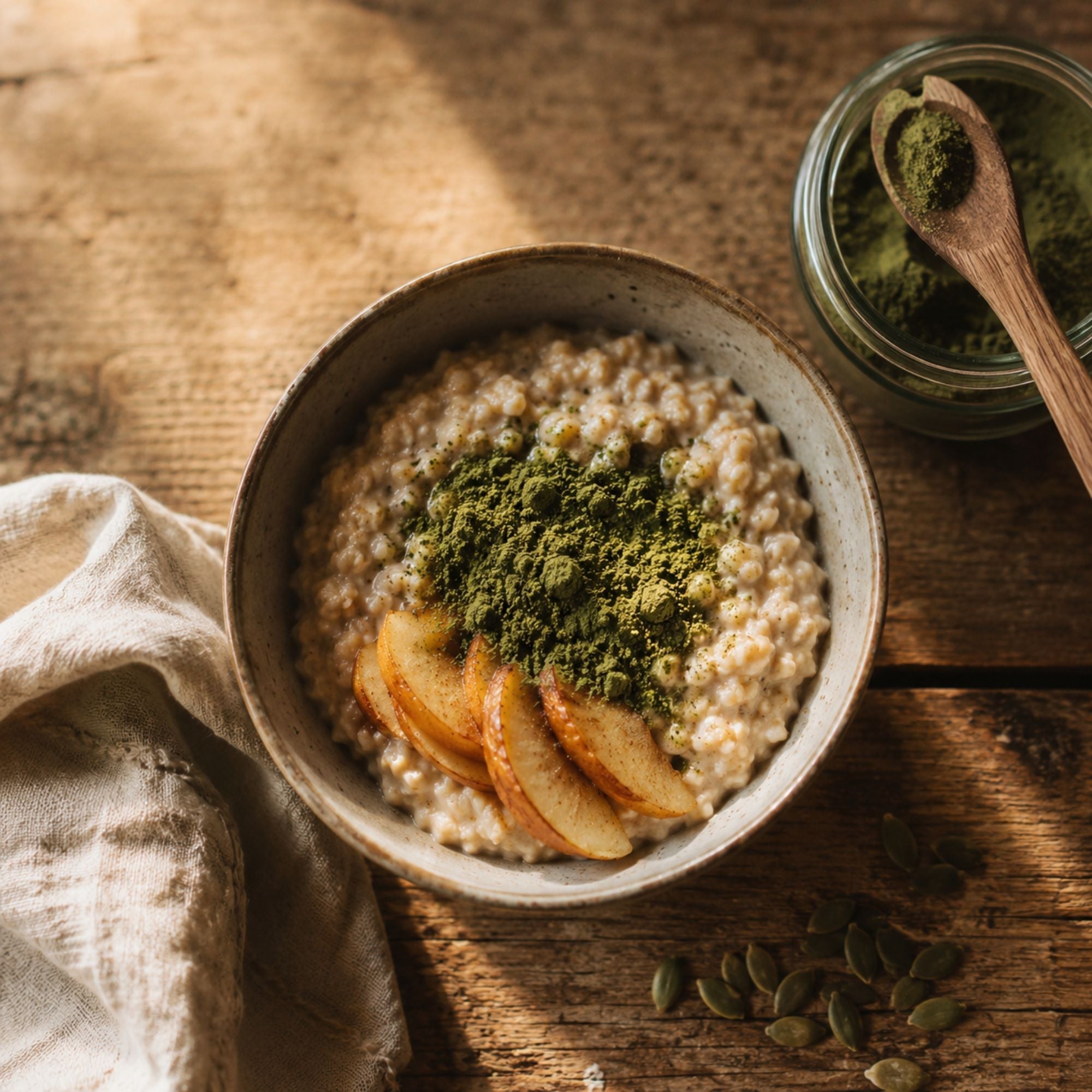
- Many people use 1-2 teaspoons (4-8g) of leaf powder daily as part of their wellness routine
We recommend starting gently and listening to your body—moringa works best when understood as gentle, consistent nourishment rather than a high-dose therapeutic intervention.

Safety and Drug Interactions: Critical Information
Because moringa may affect glucose response, anyone taking blood sugar-lowering medications should approach it with caution.
Potential Medication Interactions
Can I take moringa with diabetes medication? This is one of the most important safety questions.
Combining moringa with medications like:
- Metformin
- Insulin
- Sulfonylureas (glipizide, glyburide)
...could theoretically contribute to hypoglycemia (low blood sugar). Always consult your healthcare provider before combining moringa with diabetes medications.
Research reference: The NIH LiverTox database provides safety monitoring information for moringa. View safety data
Quality and Sourcing Considerations
Other important safety factors:
- Quality matters deeply — contamination and nutrient loss can occur in poorly sourced or processed powders
- More is not always better — gentle, consistent use aligns better with how whole foods work
- Moringa is not a medication replacement — never stop or reduce prescribed medications without medical guidance
At All Moringa, we source our leaves ethically, dry them with care, and test for purity—because we believe simplicity is power, and that power depends on integrity.
What the Science Does Not Show (Yet)
To honor your trust, we want to be clear about what current research does not demonstrate:
❌ Moringa does not treat or cure diabetes
❌ It does not replace medication
❌ It does not guarantee HbA1c reduction
❌ It does not work identically for everyone
❌ Long-term safety data beyond 3-6 months is limited
Research suggests that moringa leaves are a nutrient-dense food with bioactive compounds that may gently support metabolic balance and healthy blood sugar levels when used thoughtfully and consistently.
A Grounded, Honest Takeaway
Moringa oleifera leaves represent something rare: a food with both deep traditional roots and modern scientific curiosity. Human studies suggest these leaves may help support post-meal glucose balance. Preclinical research offers plausible mechanisms that warrant continued exploration.
But when we step back and remember what moringa truly is—leaves from a tree, dried and powdered, the way families have prepared nourishment for generations—the picture becomes clearer.
This isn't about searching for miracles or quick fixes for diabetes. It's about recognizing that the body understands real food. It's about choosing simplicity over synthetic complexity. It's about nourishing yourself from the inside, with whole-plant nutrition your body can recognize and use.
For those managing blood sugar, moringa for blood sugar support may fit as:
- Part of a balanced, whole-food approach to wellness
- A gentle complement to, not replacement for, medical care
- A source of real nutrition alongside—not instead of—prescribed treatments
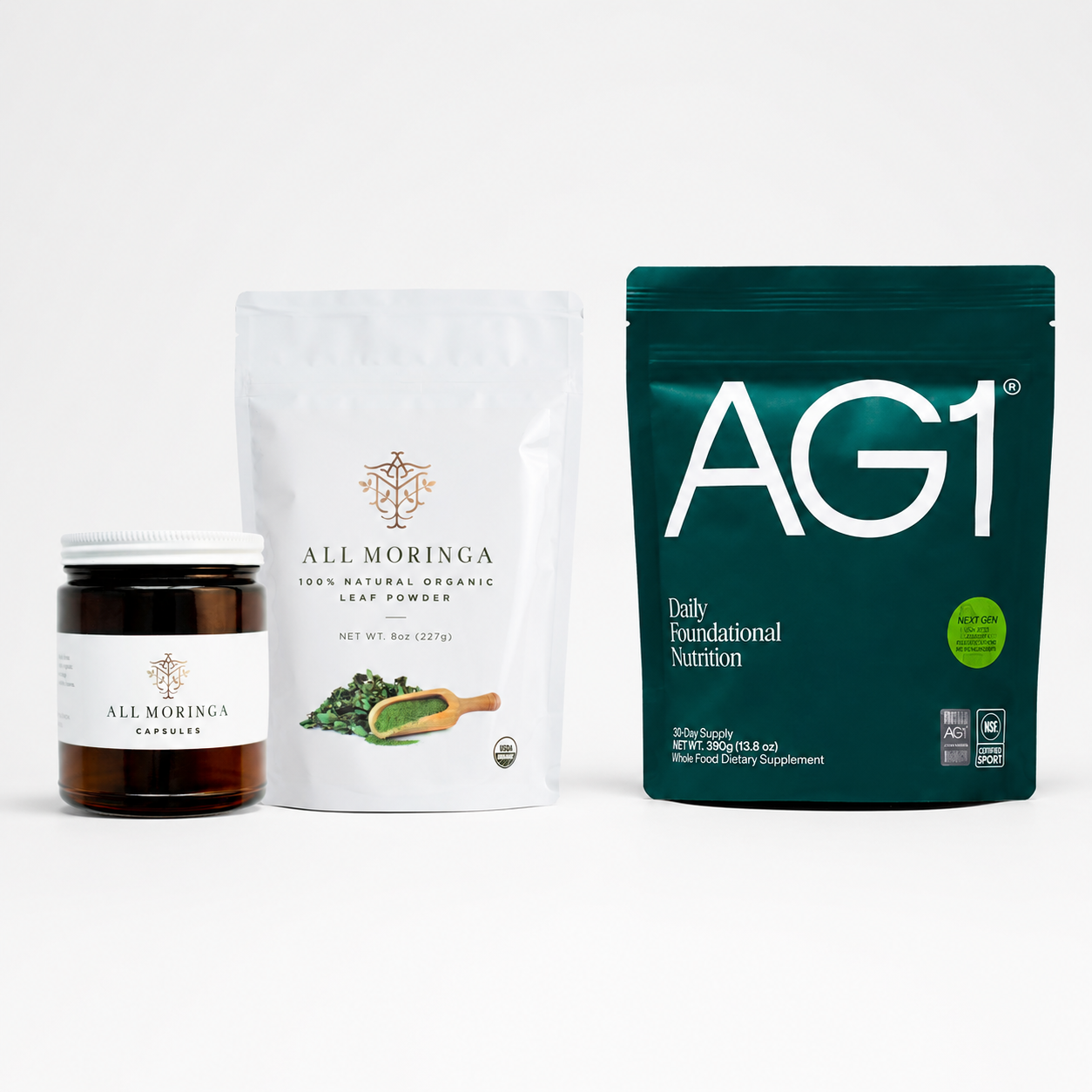
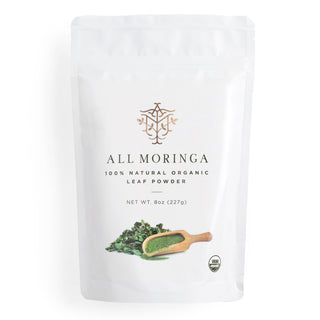
If you'd like to experience the purity of our family's moringa, ethically sourced and gently processed to preserve what nature provides, we invite you to explore our Moringa Leaf Powder — from our tree to your table, with care.
Medical Disclaimer
This article is for educational purposes only and does not constitute medical advice. These statements have not been evaluated by the FDA. This product is not intended to diagnose, treat, cure, or prevent any disease. Individuals with diabetes or those taking glucose-lowering medications should consult a qualified healthcare professional before using moringa products. Do not stop or reduce diabetes medications without medical supervision.
📚 Scientific References
All Moringa believes in transparency. Below are the peer-reviewed studies and research reviews referenced in this article, so you can explore the science yourself.
Foundational Research on Fiber & Glycemic Response
Jenkins, D.J.A., et al. (2002). "Glycemic index: overview of implications in health and disease." American Journal of Clinical Nutrition. View on PubMed
Moringa Nutritional Composition & Phenolic Profile
Leone, A., et al. (2015). "Nutritional Characterization and Phenolic Profiling of Moringa oleifera Leaves Grown in Chad, Sahrawi Refugee Camps, and Haiti." International Journal of Molecular Sciences. View on PubMed
Bioactive Compounds & Mechanisms
Vargas-Sánchez, K., et al. (2019). "Moringa oleifera: Functional properties and potential uses in the food industry." Journal of Food Science. View on PubMed
Mthiyane, D.M.N., et al. (2022). "Anti-diabetic properties of Moringa oleifera and mechanisms underlying." Evidence-Based Complementary and Alternative Medicine. View on PubMed
Human Clinical Studies
Leone, A., et al. (2018). "Acute and chronic effects of Moringa oleifera leaf extract on postprandial glycaemia: Real-world evidence." Nutrients. View on PubMed
Taweerutchana, R., et al. (2017). "Effect of Moringa oleifera leaf capsules on glycemic control in therapy-naïve type 2 diabetes patients: A randomized placebo controlled study." Evidence-Based Complementary and Alternative Medicine. View on PubMed
Leone, A., et al. (2025). "Moringa oleifera leaf powder supplementation in the nutritional therapy of Sahrawi type 2 diabetic women living in refugee camps: A randomized controlled clinical trial." Food Research International. View on ScienceDirect
Systematic Reviews & Meta-Analyses
Owens, B., et al. (2020). "Moringa oleifera and metabolic disorders: A review." Frontiers in Pharmacology. View Full Article
Animal Research (Preclinical Evidence)
Watanabe, Y., et al. (2021). "Meta-analysis of the effects of Moringa oleifera supplementation on diabetes mellitus in rodent models." Molecules. View on PMC
Safety Information
National Institutes of Health LiverTox Database. (2024). "Moringa oleifera — Clinical and Research Information on Drug-Induced Liver Injury." View on NIH
These references are provided for educational transparency. All Moringa does not make medical claims about our products. We share research to help you make informed decisions about your wellness.
Frequently Asked Questions About Moringa and Blood Sugar
Does moringa lower blood sugar?
Research suggests moringa leaves may support balanced post-meal glucose response, particularly when added to food. However, current evidence does not support claims that it lowers blood sugar in a pharmaceutical sense or replaces diabetes medication. It's best understood as a nutrient-dense food that may gently support metabolic wellness as part of a comprehensive approach to health.
Can I take moringa with diabetes medication?
Possibly, but with caution. Because moringa may influence glucose response, it could theoretically interact with insulin, metformin, or other glucose-lowering medications, potentially contributing to low blood sugar (hypoglycemia). Always consult your healthcare provider before combining moringa with diabetes medications, and never stop or reduce prescribed treatments without medical supervision.
How much moringa should I take for blood sugar support?
Human studies have used varying amounts, typically 4-8 grams (roughly 1-2 teaspoons) of leaf powder daily. There is no established clinical dose, and more is not necessarily better. Many people start with 1 teaspoon daily and adjust based on how they feel. We recommend gentle, consistent use rather than high-dose supplementation.
What is the best time to take moringa for blood sugar?
Research on post-meal effects suggests taking moringa with or just before meals may be beneficial. Some people incorporate moringa powder into their morning smoothie or tea, while others add it to food throughout the day. Consistency matters more than specific timing.
Is moringa safe for diabetics?
Moringa leaf has a long history of safe consumption as food. However, people with diabetes should exercise caution and consult healthcare providers before use, especially if taking medications. Monitor blood sugar levels closely when starting moringa, as it may affect glucose response.
Can moringa cause hypoglycemia (low blood sugar)?
While moringa alone is unlikely to cause hypoglycemia in people with normal glucose metabolism, combining it with diabetes medications could theoretically increase the risk of low blood sugar episodes. This is why medical consultation is essential for anyone on glucose-lowering drugs.
Is moringa powder or capsules better for blood sugar?
Both forms have been studied. Powder allows for flexible dosing and can be added to food (which may enhance the post-meal glucose benefit), while capsules offer convenience and standardized amounts. Quality matters more than form—choose reputable sources that test for purity.
What's the difference between moringa leaves and moringa seeds for diabetes?
Leaves are the most studied and traditionally consumed part of the tree for nutrition and metabolic support. Seeds show promise in animal studies but lack human clinical research for blood sugar applications and aren't consumed in the same traditional way. For safety and evidence, the leaf is the appropriate choice.
How long does it take for moringa to affect blood sugar?
Post-meal studies show acute effects within hours. For longer-term metabolic support, research trials ran 3-6 months. Moringa is not a quick fix—it works best as consistent, gentle nourishment over time rather than an immediate intervention.
Does moringa help with insulin resistance?
Animal studies suggest moringa may influence insulin sensitivity pathways, but human evidence is limited. While the mechanisms are plausible, current research cannot confirm significant effects on insulin resistance in people.
Can moringa help with prediabetes?
While no studies specifically target prediabetes populations, the mechanisms and post-meal glucose effects suggest potential supportive benefits. For people with prediabetes, moringa may fit as part of a whole-food, lifestyle-focused approach—but it should not replace proven interventions like dietary changes, exercise, and medical monitoring.
How does moringa compare to berberine for blood sugar?
Moringa is a whole-food leaf with a complete nutritional matrix, while berberine is an isolated compound with more pharmaceutical-like effects and stronger clinical evidence. We explore this comparison in depth in our article Moringa Leaves vs Berberine Capsules.
Is moringa better than Ozempic for blood sugar?
No. Ozempic (semaglutide) is a prescription GLP-1 agonist with robust clinical evidence for diabetes treatment. Moringa is a food that may offer gentle metabolic support. They occupy entirely different categories. We discuss this in our article Moringa vs Ozempic.
What are the side effects of moringa for people with diabetes?
Moringa is generally well-tolerated. The main concern for diabetics is potential interaction with medications leading to low blood sugar. Some people may experience mild digestive changes when starting moringa. Quality matters—contaminated or poorly processed products may cause issues unrelated to moringa itself.
Can moringa reduce HbA1c?
One recent human study showed improvements in glycemic markers, including HbA1c, but the trial was small and unblinded. Other studies found no significant HbA1c changes. Current evidence is insufficient to claim that Moringa reliably reduces HbA1c.
Should I stop my diabetes medication if I take moringa?
Absolutely not. Never stop or reduce prescribed diabetes medications based on moringa use or any supplement without explicit guidance from your healthcare provider. Moringa is not a medication replacement—it may complement medical care but never substitutes for it.
With care,
Tzvi & the All Moringa Family
*This statement has not been evaluated by the Food and Drug Administration. This product is not intended to diagnose, treat, cure, or prevent any disease.


Leave a comment
This site is protected by hCaptcha and the hCaptcha Privacy Policy and Terms of Service apply.