Moringa For Kidney Health Is Your Natural Ally Against Kidney Disease
Moringa Science
Is Moringa Good for Kidneys? What the Research Actually Shows
Written by Tzvi GinzburgUpdated 202615 min read
If you have been searching "is moringa good for kidneys," you deserve a clear, honest answer rooted in what the science actually says, not hype, not fear.
Here is the short version: laboratory and animal research suggests that moringa leaf and seed extracts may support kidney function by reducing oxidative stress, supporting the body's natural antioxidant enzyme systems, and reducing inflammatory markers in kidney tissue. This research is promising, but nearly all of it has been conducted in animal models or cell cultures. Human clinical trials on moringa and kidney health remain limited. The evidence points in an encouraging direction, but it is not yet definitive for human outcomes.
If you have an existing kidney condition, the most important step is to talk with your healthcare provider before adding moringa or any supplement to your routine. Moringa can affect blood sugar and blood pressure, and it contains potassium, all of which matter if you are on medication or managing chronic kidney disease.
With that honest foundation, here is what the science says, what it does not say, and what you should know before making a decision.
What Does Moringa Contain That Relates to Kidney Health?
Moringa leaf contains vitamins, minerals, amino acids, isothiocyanates, and polyphenols (including quercetin and chlorogenic acid) that have been studied for their antioxidant enzyme-supporting activity. The kidneys are highly vulnerable to oxidative stress, which makes these compounds a plausible area of interest for kidney research.
Moringa leaf is one of the most nutrient-dense plant foods studied. According to USDA FoodData Central, dried moringa leaf powder contains vitamin C, vitamin A (as beta-carotene), iron, calcium, potassium, and a broad spectrum of amino acids. Beyond basic nutrients, moringa leaf contains a class of plant compounds called isothiocyanates, along with polyphenols and flavonoids including quercetin and chlorogenic acid.
These compounds have been studied for their role in supporting antioxidant enzyme activity. Isothiocyanates found in moringa leaf have been examined in laboratory and animal research for their ability to support antioxidant enzyme systems (Phytotherapy Research). Quercetin and chlorogenic acid, both present in moringa leaf, are recognized plant polyphenols associated with antioxidant activity in nutritional biochemistry literature (USDA FoodData Central; Journal of Agricultural and Food Chemistry).
The connection to kidney health works like this: the kidneys are highly vulnerable to oxidative stress. When free radicals overwhelm the kidneys' natural defenses, tissue damage can result. Compounds that support antioxidant enzyme activity may help protect kidney tissue from this kind of oxidative damage. This is a supported inference connecting verified nutrient content to a plausible biological mechanism. It is not clinical proof.
The leap from "moringa contains antioxidant compounds" to "moringa protects human kidneys" requires human evidence that does not yet fully exist. The animal research, however, is worth understanding.
What Does the Research Say About Moringa and Kidney Function?
Multiple animal studies and systematic reviews have found that moringa extracts are associated with reduced kidney damage markers (BUN, creatinine) and increased antioxidant enzyme activity (SOD, CAT, GPx) in kidney tissue. All current evidence comes from animal models or lab research. Human clinical trials remain limited.
Systematic Reviews Review / Animal
A 2021 systematic review published in the journal Plants examined published research on moringa's protective effects on kidney tissue following PRISMA guidelines. Across multiple animal models, moringa extracts were associated with reduced levels of blood urea nitrogen (BUN) and serum creatinine, and with increased activity of antioxidant enzymes including superoxide dismutase (SOD), catalase (CAT), and glutathione peroxidase (GPx). Plants, 2021
A 2025 review published in Biotechnologia explored moringa's nutritional content and renoprotective potential. The review confirmed that moringa leaf, seed, and stem extracts increase antioxidant enzyme activity and modulate inflammatory markers (TNF-alpha, COX-2) in kidney tissue. The review also noted that moringa root bark extracts have been shown in animal models to enhance renal excretion of calcium and phosphate and to reduce kidney stone weight. However, the review explicitly stated that large-scale human clinical trials are needed. Biotechnologia, 2025
Individual Animal Studies Animal / Lab
A study published in Food and Chemical Toxicology examined moringa seed extract in rats fed a high-fat, high-fructose diet. Moringa seed extract reduced serum creatinine levels, improved kidney tissue structure, and increased expression of SOD in kidney tissue. Food and Chemical Toxicology, 2023
A 2024 study published in Frontiers in Nutrition investigated whether a moringa-based feed supplement could protect kidney function in an animal model of renal ischemia-reperfusion injury. Moringa supplementation was associated with reduced oxidative stress markers, reduced inflammatory cytokines, and less structural kidney damage. Frontiers in Nutrition, 2024
A 2025 study published in Cureus tested a polyherbal extract containing moringa oleifera leaves, ginger rhizomes, and garlic cloves in a rat model of chronic kidney disease (CKD). The treatment groups showed significant improvements in urine creatinine, plasma creatinine, and blood urea nitrogen, along with reduced fibrosis and oxidative stress markers. Note: this is a combined-extract study, so the individual contribution of moringa cannot be isolated. Cureus, 2025
What this means in plain language: These findings are consistently encouraging. Across multiple study designs, moringa extracts are associated with improved kidney function markers and increased antioxidant enzyme activity in animal models. However, all of these studies were conducted in animals, not humans. The study designs, doses, and extract preparations vary significantly. They suggest that moringa's antioxidant compounds are worth studying further for kidney support in humans, but they do not prove that taking moringa will improve kidney function in a person. Anyone presenting moringa as a proven treatment for kidney disease is overstating what the evidence currently supports.
Can Moringa Damage Your Kidneys?
One animal study found kidney tissue damage from very high-dose moringa seed powder (up to 15,000 mg/kg body weight). These doses are far beyond normal food-level consumption, and the study used seed preparations, not leaf powder. No published studies have reported significant kidney damage from moringa leaf powder at standard food-level amounts.
This is a question some people encounter online, and it deserves a direct answer.
A 2023 study published in the Journal of the Anatomical Society of India evaluated the renal toxicity profile of moringa oleifera seed preparations in rats at escalating doses (100 mg to 6,400 mg per kg of body weight, with one group receiving 15,000 mg/kg). The study found that at higher doses, moringa seed powder caused visible kidney tissue changes including necrosis. J. Anatomical Society of India, 2023
Important context: This study used moringa seed powder, not moringa leaf powder. Seeds and leaves have different compound profiles. The doses used are dramatically higher than any reasonable food-level consumption. To put the 6,400 mg/kg dose in human terms, that would be equivalent to roughly 450 grams of moringa seed powder for a 70 kg person, consumed daily. A standard serving of moringa leaf powder is approximately 3 grams. No published studies have reported significant adverse kidney effects from moringa leaf powder consumed at normal food-level amounts in healthy individuals.
The bottom line: at food-level amounts, moringa leaf powder appears to be well tolerated. The toxicity findings are specific to high-dose seed preparations in animal models and should not be extrapolated to normal use of moringa leaf powder. But they do reinforce an important principle: dose, preparation form, and plant part all matter.
What About Moringa and Kidney Stones?
The research is nuanced. Animal studies suggest moringa's polyphenols and flavonoids may inhibit calcium oxalate crystal formation. At the same time, moringa leaves contain oxalates. At standard consumption levels, the oxalate exposure is modest, but people with a history of calcium oxalate stones should consult their healthcare provider.
The Protective Side Animal / Lab
A study published in the Journal of Ethnopharmacology found that moringa root bark extracts reduced urinary excretion and kidney retention of oxalate, calcium, and phosphate in rats with induced kidney stones, with results comparable to the standard drug cystone.
A 2025 study (PMC) examined moringa leaf extract in rats exposed to ethylene glycol (which induces calcium oxalate crystal formation). The moringa-treated groups showed reduced calcium oxalate crystal deposition, reduced MDA (a marker of oxidative damage), and increased SOD activity in kidney tissue. The researchers attributed the protective effect to the flavonoid and polyphenol content in moringa leaves. PMC, 2025
An in-vitro and in-vivo study (PMC) investigated moringa leaf extract against urolithiasis and found that moringa significantly reduced calcium oxalate crystal formation and restored kidney function markers in treated animals. PMC, 2024
The Caution Side
Moringa leaves do contain oxalates. Oxalate content in moringa leaf has been reported at levels comparable to spinach in some analyses, though the exact amount varies depending on growing conditions, drying method, and preparation. People who are prone to calcium oxalate kidney stones are often advised to manage their oxalate intake. At standard food-level consumption (one teaspoon, approximately 3 grams per day), the oxalate exposure is relatively modest. But people with a personal history of oxalate kidney stones should discuss moringa consumption with their healthcare provider or dietitian.
The nuanced picture: the research on moringa and kidney stones is mixed because the question itself is multifaceted. The polyphenol and flavonoid compounds in moringa leaf appear to reduce calcium oxalate crystal formation in animal studies. At the same time, moringa leaf naturally contains some oxalates. For the average person with healthy kidneys, this is unlikely to be a concern. For people with a known history of oxalate stones, it is a conversation worth having with a professional.
Is Moringa Safe for Kidney Patients?
For people with healthy kidneys, moringa leaf powder at food-level amounts appears well tolerated. For people with existing kidney disease, caution is warranted due to moringa's effects on blood sugar, blood pressure, and its potassium content. Always consult your healthcare provider before starting moringa if you have a kidney condition.
For People with Healthy Kidney Function
Moringa leaf powder consumed in normal food-level amounts (one teaspoon, approximately 3 grams daily) appears to be well tolerated. No significant adverse kidney effects from typical moringa leaf powder use have been reported in healthy individuals in the published literature reviewed to date.
For People with Existing Kidney Disease
Caution is warranted, and a conversation with your doctor is essential before starting moringa. Here is why.
Blood sugar effects. A study published in the Journal of Food Science and Technology found that moringa leaf powder reduced blood glucose levels in type 2 diabetes patients (Kushwaha et al., 2014). If you are on medications that manage blood sugar, adding moringa could amplify their effects.
Blood pressure effects. Moringa has been studied for blood pressure-lowering effects in animal models. If you are on blood pressure medication, there could be additive effects worth monitoring.
Potassium content. Moringa leaf is a source of potassium (USDA FoodData Central). People with advanced kidney disease are often advised to monitor potassium intake carefully because damaged kidneys may not filter potassium efficiently. If your kidneys are not filtering properly, potassium management becomes critical, and this is a conversation to have with your nephrologist or dietitian.
Drug interactions. Because moringa can affect blood sugar, blood pressure, and is metabolized in ways that could interact with certain medications, anyone on prescription medication for kidney-related conditions should not add moringa without medical guidance.
The takeaway: Moringa is not automatically unsafe for people with kidney concerns, but it is also not automatically safe. The responsible position is to use it only under the guidance of your healthcare provider if you have an existing kidney condition.
Research Extracts vs. Whole Leaf Powder: What Is the Difference?
Most kidney research used concentrated ethanol or methanol extracts. All Moringa's Moringa Leaf Powder is dried whole leaves, ground. The underlying compounds are the same, but the concentration, delivery form, and dose are different.
This distinction matters because the research and the product you would actually use are not the same preparation.
Most kidney-related animal studies used moringa leaf extracts (ethanol or methanol extractions), moringa seed extracts (aqueous or ethanol preparations), or concentrated feed supplements. These are laboratory preparations designed to isolate and concentrate specific compounds for controlled study.
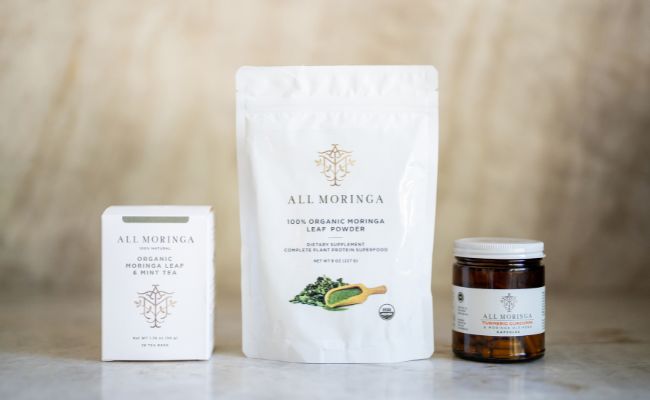
All Moringa's Moringa Leaf Powder is made from dried moringa leaves, ground whole. It is not an extract. It preserves the full spectrum of the leaf's vitamins, minerals, amino acids, polyphenols, and flavonoids in their natural form and natural ratios, exactly as the plant produced them.
Feature
Research Extracts
All Moringa Leaf Powder
Preparation
Ethanol/methanol extraction, concentrated
Dried whole leaves, ground
Compound isolation
Isolates specific compounds
Preserves full-spectrum natural profile
Bioactive compounds
Present (concentrated)
Present (in natural ratios)
Dosing
Milligrams per kg of body weight
Teaspoons (approx. 3 grams daily)
Context
Controlled laboratory conditions
Daily food-level use
Additives
Solvents used in extraction
None: no fillers, no flow agents, no synthetic additives
Why does this matter? Because when research says "moringa extract showed kidney-protective effects in rats," the extract used is not the same as the whole leaf powder you would stir into a smoothie. The underlying compounds (quercetin, chlorogenic acid, isothiocyanates, flavonoids) are present in both. But the concentration, delivery form, and dose are different.
Whole leaf powder offers something extracts do not: the complete, unaltered nutritional matrix of the moringa leaf. Your body recognizes it as food, not as a concentrated pharmaceutical preparation. That is a meaningful difference, and it is exactly why All Moringa chose this form.
How to Use Moringa Leaf Powder as Part of a Wellness Routine
Moringa leaf powder is a whole-food ingredient, not a pharmaceutical. People use it because they want to add dense plant nutrition to their daily routine in a simple, honest way.
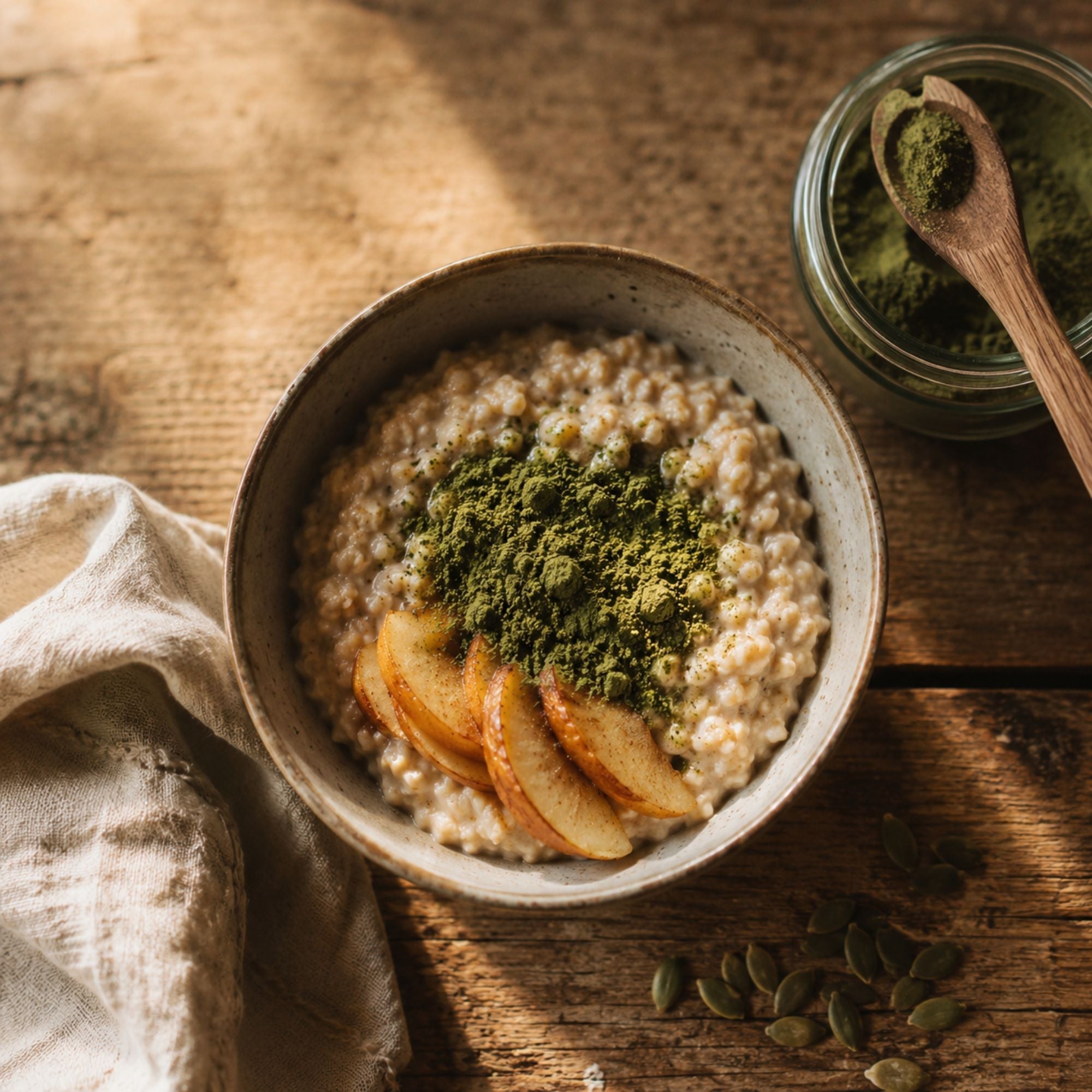
A standard daily amount used in many wellness contexts is one teaspoon (approximately 3 grams) of moringa leaf powder. It blends easily into warm water, smoothies, plant-based milk, or oatmeal. The flavor is mild and grassy, similar to green tea.
There is no established clinical dose for kidney support because no clinical trials have established an effective human dose for this purpose. If you are using moringa as part of a general wellness routine, one teaspoon daily is a reasonable starting amount consistent with traditional food use. If you have a specific health condition, including any kidney concern, consult your doctor before starting.
Because honesty is the foundation of everything we do, it is worth being direct about what moringa cannot do.
Moringa is not a treatment for kidney disease. It is not a cure for kidney failure. It is not a replacement for medical care, dialysis, or prescribed medication. It is not proven to reverse chronic kidney disease or repair existing kidney damage in humans.
The research described above comes from animal and laboratory models. It does not establish moringa as a therapy for human kidney conditions. It establishes moringa as a nutrient-dense plant with antioxidant compounds that show interesting protective effects on kidney tissue in controlled research settings. That is worth knowing. It is not worth overstating.
The All Moringa Approach: One Plant, No Fillers, No Exaggeration
At All Moringa, we started this brand because we wanted something honest. Not a supplement with forty ingredients where nothing is in a meaningful amount. Not a label full of promises that outrun the evidence.
Our Moringa Leaf Powder is made from one ingredient: dried moringa leaves. No fillers. No flow agents. No synthetic additives. We source from verified farms and slow-dry the leaves at low temperatures to protect their natural nutrient content. One whole leaf, the way nature made it, with nothing added and nothing removed.
We share the kidney research because it is genuinely interesting and worth knowing. We share the caveats, the safety concerns, and the limitations because you deserve the full picture, not just the parts that sound good. That is what we mean when we say: teach with love, inspire with truth.
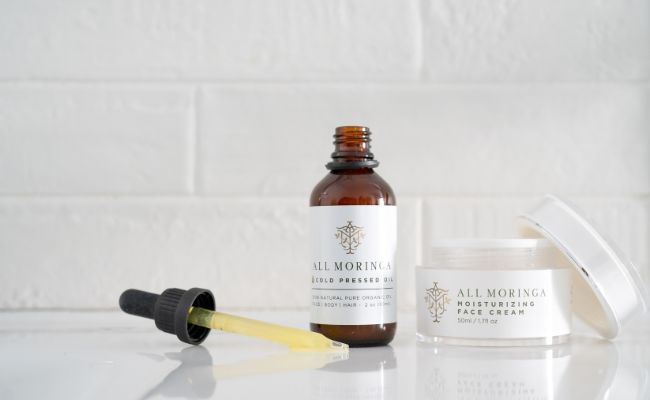
The same Moringa tree that produces the leaf powder also yields a cold-pressed seed oil used in our skincare line. One tree, nourishing from the inside out.
Nourish from Within
One whole leaf. Nothing added, nothing removed. Pure moringa nutrition your body recognizes as food.
Animal and laboratory research suggests that moringa leaf and seed extracts may support kidney function by reducing oxidative stress markers and supporting antioxidant enzyme activity (Plants journal, 2021; Frontiers in Nutrition, 2024). Most existing studies have been conducted in animal models. Human clinical trials specific to kidney health are limited. The research is promising, but not yet definitive for human kidney outcomes.
Is moringa safe for kidney patients?
People with healthy kidneys generally tolerate moringa leaf powder well at food-level amounts. People with existing kidney conditions, including chronic kidney disease, should consult their healthcare provider before using moringa. Moringa contains potassium (USDA FoodData Central) and can affect blood sugar and blood pressure, which are important considerations for anyone managing a kidney condition or taking related medications.
Can moringa damage your kidneys?
A 2023 study in the Journal of the Anatomical Society of India found kidney tissue damage in rats given very high doses of moringa seed powder (up to 15,000 mg/kg body weight). These doses are far beyond normal food-level use, and the study used seed preparations, not leaf powder. No published studies have reported significant kidney damage from moringa leaf powder at standard food-level consumption in healthy individuals.
Does moringa cause kidney stones?
The research is nuanced. Animal studies suggest moringa's polyphenol and flavonoid compounds may actually inhibit calcium oxalate crystal formation in kidneys (PMC, 2025; Journal of Ethnopharmacology). However, moringa leaves do contain oxalates, similar to spinach. At standard consumption levels (approximately 3 grams per day), the oxalate exposure is modest. People with a personal history of calcium oxalate kidney stones should discuss moringa consumption with their healthcare provider.
Which part of the moringa plant is used in kidney research?
Most kidney-related research has studied moringa leaf extracts and moringa seed extracts. All Moringa's Moringa Leaf Powder is made from dried moringa leaves, which is the form most aligned with the nutritional and antioxidant compounds described in the research. Some studies have also examined moringa root bark for anti-kidney-stone properties.
How much moringa should I take daily?
For general wellness use, one teaspoon (approximately 3 grams) of moringa leaf powder daily is a commonly used amount consistent with traditional food use. There is no established clinical dose for kidney support. If you have a kidney condition or are on medication, speak with your doctor before starting moringa.
Can moringa replace my kidney medication?
No. Moringa is a whole-food plant with nutritional value and interesting antioxidant properties studied in research settings. It is not a treatment for kidney disease and should never replace prescribed medication, medical care, or dialysis. Always consult your healthcare provider for guidance specific to your condition.
Does All Moringa's Moringa Leaf Powder contain the same compounds studied in kidney research?
All Moringa's Moringa Leaf Powder is made from dried moringa leaves, which contain the vitamins, minerals, isothiocyanates, quercetin, and chlorogenic acid referenced in nutritional and antioxidant research on moringa leaf. The specific extracts used in animal kidney studies are not identical to commercial leaf powder in concentration or preparation method, but the underlying plant compounds are consistent with those in the research.
With care, Tzvi & the All Moringa Family
About the Author
Tzvi Ginzburg
Co-Founder, All Moringa
Tzvi Ginzburg is the co-founder of All Moringa, a wellness company dedicated to clean, plant-based nutrition and skincare powered by Moringa. With over 25 years of experience using and working with Moringa, Tzvi draws on a deep agricultural background and hands-on expertise in sourcing, formulating, and educating about its powerful benefits. His work blends passion, research, and family values, bringing you trusted, natural solutions for beauty and wellness from the Miracle Tree.
These statements have not been evaluated by the Food and Drug Administration. This product is not intended to diagnose, treat, cure, or prevent any disease. If you have a kidney condition or are taking prescription medication, consult your healthcare provider before using any supplement. All studies referenced above are animal, in-vitro, or review-level research unless otherwise noted. Human clinical trials on moringa and kidney function remain limited. These references are provided for educational transparency and do not constitute medical advice.
*This statement has not been evaluated by the Food and Drug Administration. This product is not intended to diagnose, treat, cure, or prevent any disease.




1 comment
Amazing articles the wonderful attributes of God
Cancio
Leave a comment
This site is protected by hCaptcha and the hCaptcha Privacy Policy and Terms of Service apply.