A Comparative Dive into Moringa and Berberine’s Metabolic Marvel and Blood Sugar Management (Infographic)
All Moringa | Metabolic Wellness
Moringa vs. Berberine for Blood Sugar Support: A Complete Comparison
By Tzvi GinzburgApril 202612 min read
If you are researching natural ways to support healthy blood sugar, you have probably come across both Moringa and Berberine. Both have real research behind them. But they work through completely different mechanisms, come from different traditions, and their practical comparison reveals important differences that most articles skip over. Berberine is a single isolated alkaloid with strong human clinical evidence for blood sugar specifically. Moringa is a whole food with a broad nutritional matrix that supports metabolism in multiple ways simultaneously.
This guide covers what the science actually says about each, how they compare on tolerability, what the research says about the Moringa Berberine patch trend, and which one makes sense as a starting point for you.
What Is Moringa and How Does It Support Blood Sugar?
Moringa (Moringa oleifera) is a whole-food plant with centuries of use in Ayurvedic and traditional medicine across South Asia, East Africa, and the Caribbean. Its dried leaves contain vitamins, minerals, all nine essential amino acids, dietary fiber, and a network of antioxidant compounds that may support healthy blood sugar regulation through multiple complementary pathways. It is not a single-compound intervention. It is complete food.
Historical and Nutritional Background
According to USDA FoodData Central, dried Moringa leaf powder contains vitamins A, C, and E, a full spectrum of B vitamins from B1 through B9, iron, calcium, magnesium, phosphorus, potassium, and zinc. It also provides all nine essential amino acids, making it a complete plant protein. Nothing has been isolated or concentrated beyond what the leaf naturally contains.
Fiber and Blood Sugar Nutritional Fact
Moringa leaf provides both soluble and insoluble dietary fiber (USDA FoodData Central). Soluble fiber forms a gel in the digestive tract that slows the absorption of sugar into the bloodstream, a mechanism well established in nutritional science for moderating post-meal glucose. This fiber effect is one of the most consistent and biologically logical reasons to consider whole Moringa leaf for metabolic support.
Key Antioxidant Compounds Relevant to Metabolism Lab Evidence
Moringa leaves contain chlorogenic acid, quercetin, polyphenols, and isothiocyanates. Chlorogenic acid has been studied for moderating post-meal blood glucose. Quercetin contributes to the leaf's overall antioxidant capacity (Vergara-Jimenez et al., 2017, Antioxidants). Moringa's isothiocyanates have been studied for supporting antioxidant enzyme activity and insulin sensitivity in laboratory and animal research (PubMed review, 2019).
Animal Research Animal Study
In an animal study published in PLOS ONE (PMC4456298), mice fed a high-fat diet supplemented with Moringa concentrate showed less weight gain, improved glucose tolerance, and better insulin signaling compared to control mice. The researchers identified Moringa isothiocyanates as the primary active compounds. This is animal research and cannot be directly applied to human outcomes without further study.
Human Research Human Study
A study indexed on PubMed (PMID 35010932, 2021) examined Moringa leaf supplementation as a glycemic control strategy in participants with prediabetes and found associations with improved glycemic markers. A 2019 review of both animal and human studies (PMID 31810205) concluded the evidence is promising and warrants larger controlled human clinical trials.
The honest summary: Moringa shows real and consistent promise for blood sugar support. Animal evidence is strong. Early human research is encouraging. Larger long-term human clinical trials are still needed. If you are managing a diagnosed blood sugar condition, speak with your doctor before adding any supplement.
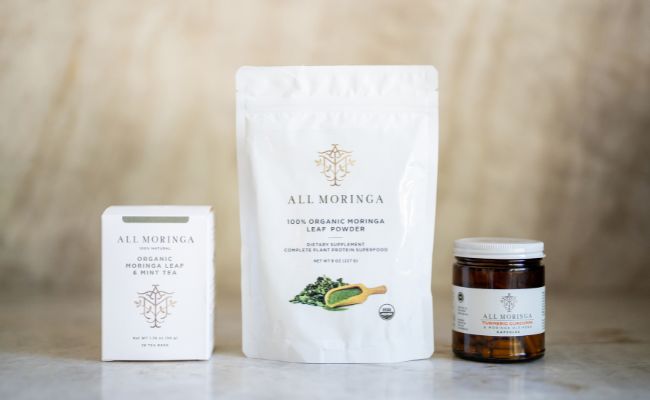
If you want whole-leaf Moringa nutrition daily, Moringa Leaf Powder is exactly that: the whole leaf, dried and ground, with nothing removed and nothing isolated. For those managing both metabolic wellness and inflammation, our Turmeric and Moringa Capsules combine both in one daily serving.
What Is Berberine and What Does the Research Show?
Berberine is an isolated alkaloid compound found in several plants including barberry, goldenseal, and Oregon grape. It has a long history in traditional Chinese medicine and Ayurvedic practice. In recent decades it has attracted serious scientific attention for its blood sugar effects, and it has some of the strongest human clinical evidence of any botanical compound for metabolic support. We are not going to downplay that. But we will be honest about the practical trade-offs.
Blood Sugar Management Human Study
A meta-analysis published in Evidence-Based Complementary and Alternative Medicine (Dong et al., 2012) reviewed multiple human clinical trials and found that berberine helped lower fasting blood glucose, post-meal glucose, and HbA1c levels in people with type 2 diabetes. The primary mechanism is activation of AMPK (AMP-activated protein kinase), a cellular energy sensor that plays a central role in glucose metabolism and insulin sensitivity (AMPK review, PubMed PMID 32445451).
Cholesterol and Lipid Management Human Study
A review published in the Journal of Ethnopharmacology found that berberine supplementation was associated with reductions in LDL cholesterol and triglycerides in human subjects, with a possible increase in HDL cholesterol. A clinical trials review (PMC3478874) confirmed these findings across multiple studies.
Berberine is well-researched with real human clinical backing. But "well-researched" does not mean "right for everyone." Its side effect profile is significant, and that is where the comparison becomes practically important.
Regulatory note (2024): Berberine as a standalone standardized extract is currently under safety review by the European Food Safety Authority (EFSA), following a call for data that closed in early 2024. Moringa leaf has no comparable regulatory concern and has been consumed as a food plant across multiple countries for centuries.
Moringa vs. Berberine: A Complete Comparison
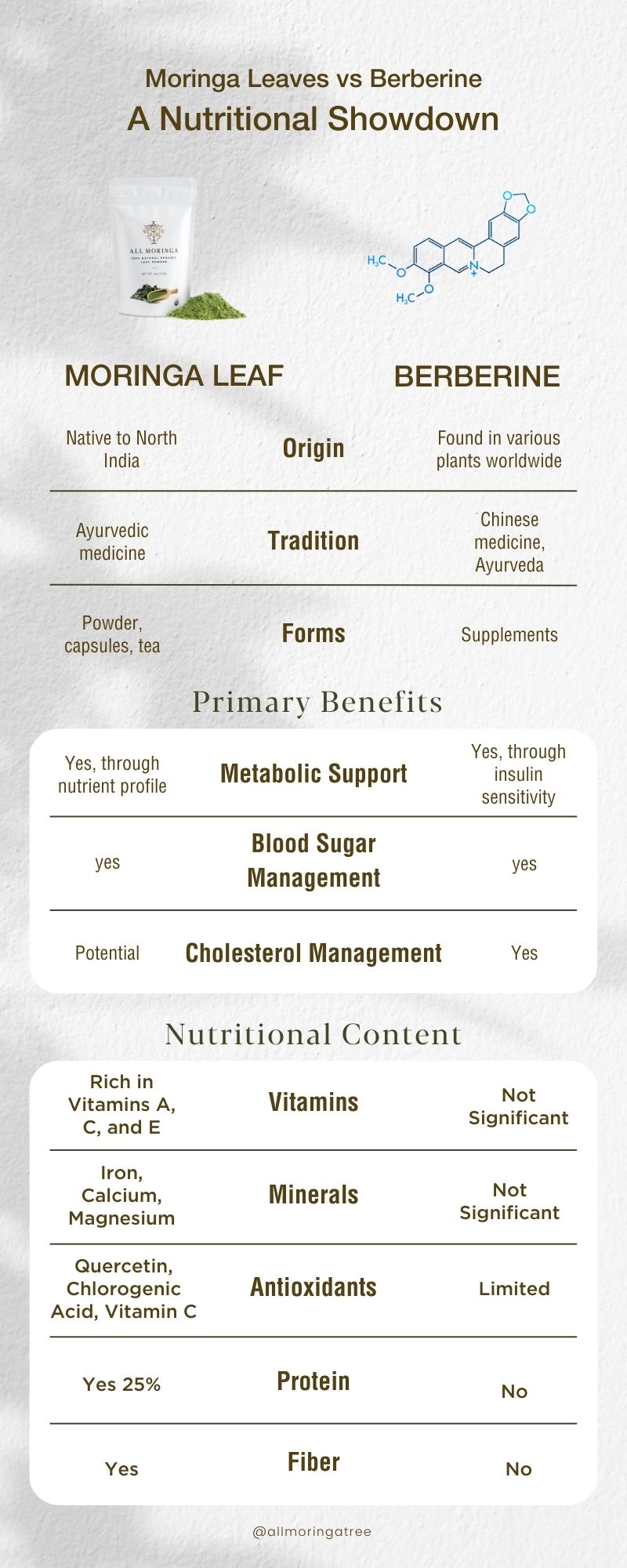
Moringa is a whole food with broad nutritional depth and a gentle side effect profile. Berberine is a targeted isolated compound with stronger direct human evidence for blood sugar but significant digestive side effects at research-relevant doses. They are different tools. The right one depends on your situation and what kind of support you are looking for.
Category
Moringa Leaf
Berberine
Source
Whole dried leaf from the Moringa oleifera tree
Isolated alkaloid extracted from barberry, goldenseal, and other plants
How it works
Whole-food nutrient matrix: fiber, chlorogenic acid, quercetin, polyphenols, vitamins, minerals working through multiple mechanisms together
Activates AMPK pathway; reduces liver glucose production; improves insulin sensitivity through a single pharmacological mechanism
Human clinical evidence
Emerging human studies; strong animal model research
Multiple peer-reviewed human clinical trials with consistent blood sugar results
Nutrient density
High: complete protein, vitamins A/C/E, full B complex, minerals, fiber, antioxidants (USDA FoodData Central)
None: single isolated compound with no nutritional value beyond its pharmacological action
Digestive tolerance
Generally well-tolerated; body processes it as food
Frequent GI side effects: cramping, diarrhea, nausea, constipation at research-relevant doses (typically 500mg three times daily)
Drug interactions
Possible interaction with blood sugar medications at high doses; consult your doctor
Known interactions with metformin, cyclosporine, and other medications; requires medical supervision
Available forms
Powder, capsules, teas, infused oils
Capsules, tablets, patches (transdermal absorption unsupported by published human research)
Traditional use
Centuries of dietary use across South Asia, East Africa, and the Caribbean
Traditional Chinese medicine and Ayurvedic practice
Pregnancy
Consult your doctor; caution advised with high supplemental doses
Not recommended during pregnancy
Tolerability: Where Moringa Has a Clear Practical Advantage
At the doses where berberine's metabolic effects have been demonstrated in research, typically 500mg taken three times daily, GI distress is common and well-documented. Stomach pain, diarrhea, constipation, nausea, and cramping have all been reported in clinical trials and have contributed to dropout rates in studies. These are not rare reactions. They are an expected consequence of taking berberine at effective doses. This is precisely why people started searching for patch alternatives.
Moringa leaf is a food. Your body processes whole-leaf nutrition the same way it processes any plant-based meal. At typical supplemental serving sizes, no serious adverse effects have been identified in the published literature. You are not forcing a high-dose isolated alkaloid through your gut. You are eating a leaf.
The practical difference: berberine requires careful dosing, meal timing, and often a tolerance-building period. Many people cycle off it periodically to reduce cumulative side effects. Moringa can be stirred into a morning smoothie or swallowed as a capsule with a glass of water. One approach adds significant complexity. The other fits naturally into your day.
What About Moringa Berberine Patches?
There is no published peer-reviewed evidence that berberine absorbs through skin in clinically meaningful amounts. Berberine is a large, polar, water-soluble molecule that does not have the physical chemistry required for reliable transdermal delivery. The patch trend has significantly outrun the science that would need to support it.
For a compound to be absorbed transdermally at useful blood concentrations, it needs to be lipid-soluble with a low enough molecular weight to penetrate the skin's lipid barrier. Berberine does not meet these requirements. As of the writing of this article, there are no published peer-reviewed human studies demonstrating that transdermal berberine patches deliver blood concentrations relevant to metabolic health. The patch marketing exploited berberine's popularity and the genuine problem of its digestive side effects, but the chemistry does not support the claim.
If you have been researching patches because you want metabolic support without the GI side effects berberine causes, Moringa leaf is worth understanding. It works through your digestive system the same way food does. Nothing has been isolated or concentrated to pharmacological levels. Most people who add Moringa leaf to their routine experience no digestive discomfort, because they are consuming a plant, not a pharmaceutical extract at clinical doses.
If you found this article searching for a Moringa berberine patch, we understand why. We do not sell patches because the evidence does not support them. What we offer is pure whole Moringa leaf, and we are happy to talk through what it can realistically do for you.
Yes. There is no known negative interaction between Moringa leaf and berberine at typical supplemental doses. Their mechanisms are different enough that combining them is not redundant: berberine works primarily through AMPK activation while Moringa brings a broad nutritional matrix that supports metabolic function through multiple different pathways. Starting one at a time is a practical approach if you are new to either.
One scenario where combining them makes sense: if you are already using berberine and experiencing digestive side effects, adding Moringa leaf as a whole-food nutritional foundation may support your overall wellness while you work through berberine's tolerance phase. This is practical reasoning based on what each product actually is, not a medical recommendation.
Important: If you are taking prescription medication for blood sugar management, speak with your doctor before adding either supplement. Both Moringa and berberine have shown hypoglycemic effects in research, which means combining them with blood sugar medication could affect your levels in ways that require monitoring.
Which One Should You Start With?
If you are working with a healthcare provider to manage already-elevated blood glucose and want the botanical with the strongest direct human clinical evidence for that specific goal, berberine is worth that conversation with your doctor. If you want to support your metabolism the way a nutrient-dense diet does, without managing side effects or drug interactions at food-equivalent doses, Moringa is the natural starting point. One complete plant. Nothing removed. Nothing added.
And if you were searching for a patch because berberine's digestive side effects put you off the whole category, Moringa is worth trying first. It is gentler by nature, because it is food, not a pharmaceutical extract.
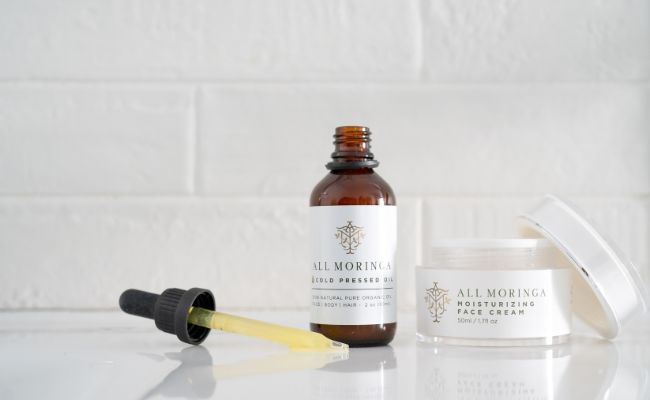
The same Moringa tree that supports your metabolic wellness also produces a cold-pressed seed oil used across our skincare line. When you are ready to explore that side of the plant: discover what Moringa seed oil does for skin. One tree. Two complete worlds of nourishment.
One Tree. Complete Nourishment.
Whole-leaf Moringa nutrition from All Moringa. Pure Moringa Leaf Powder, Capsules, and Turmeric + Moringa blends. Nothing isolated. Nothing added. And if you have questions, we are a family business and we actually pick up the phone.
Early research suggests Moringa leaf may help support healthy blood sugar levels. A 2021 study (PubMed PMID 35010932) examined Moringa leaf supplementation in participants with prediabetes and found associations with improved glycemic markers. Multiple animal studies have also shown Moringa leaf extract reduced fasting blood glucose in diabetic models. A 2019 review (PMID 31810205) covering both animal and human studies concluded the evidence warrants larger controlled human clinical trials. Moringa should not replace prescribed medication for any diagnosed condition.
Do Moringa berberine patches actually work?
There is no published peer-reviewed evidence that berberine absorbs through skin in clinically meaningful amounts. Berberine is a large, polar, water-soluble molecule that does not readily penetrate the skin's lipid barrier. Patches became popular because oral berberine frequently causes digestive side effects, but the transdermal delivery approach has not been validated by human research. Whole-food Moringa leaf is a gentler, well-tolerated alternative worth considering for metabolic support.
What is the main difference between Moringa and Berberine for blood sugar?
Berberine is an isolated alkaloid that activates AMPK and has multiple human clinical trials supporting its blood sugar effects (Dong et al., 2012). Moringa is a whole food with a broad nutrient matrix including chlorogenic acid, quercetin, soluble fiber, and isothiocyanates that may support blood sugar regulation through multiple complementary mechanisms. Berberine has stronger targeted human evidence. Moringa offers broader whole-body nutritional support with a significantly gentler side effect profile.
Can I take Moringa and Berberine at the same time?
There is no known negative interaction between Moringa leaf and berberine at typical supplemental doses. Some people use both. Starting one at a time is practical so you can observe how your body responds to each. If you take prescription medication for blood sugar management, consult your doctor before adding either supplement, as both have shown hypoglycemic effects in research.
Is Moringa safe for people managing blood sugar?
Moringa leaf has been consumed as food across multiple cultures for centuries and is generally considered safe at typical supplemental serving sizes (USDA FoodData Central). However, animal research has shown hypoglycemic effects from Moringa leaf extract, which means it could potentially interact with blood sugar medication. Anyone managing a diagnosed condition should consult their healthcare provider before starting any supplement.
Can I take Moringa if I am on Metformin?
This requires a direct conversation with your doctor. Both Moringa and Metformin can influence blood glucose levels through different mechanisms, and combining them without medical supervision could cause blood sugar to drop lower than intended. Animal research has shown hypoglycemic effects from Moringa leaf extract, making monitoring essential when any blood sugar medication is involved. Never add any supplement to an existing medication protocol without first speaking with your prescribing physician.
Why do people search for Moringa berberine combinations or patches?
Most people searching for these combinations want metabolic and blood sugar support, and have heard both botanicals may help through different mechanisms. Many are specifically looking for patches after experiencing berberine's known digestive side effects. We do not sell patches or combination products. Pure whole Moringa leaf is our answer: gentler on the body, nutritionally complete, and rooted in centuries of food use rather than pharmacological isolation.
The Bottom Line
Moringa and Berberine are both genuine and useful botanicals, and the comparison between them is worth understanding clearly. Berberine has strong targeted human evidence for blood sugar support but comes with real side effect considerations, meaningful drug interaction risks, and a growing regulatory conversation. Moringa is a whole food with emerging human evidence, broad nutritional depth, centuries of safe dietary use, and none of the digestive complications that push people toward patch solutions the science does not support.
If you are here because you were searching for a Moringa berberine patch, we hope this article explained why the patch approach does not have the research behind it, and why whole-food Moringa might be exactly what you were actually looking for all along.
Tzvi Ginzburg is the co-founder of All Moringa, a family-owned wellness brand built around the Moringa tree. With over 25 years of experience working with Moringa, rooted in an agricultural background and first-hand sourcing knowledge, Tzvi brings expertise that goes well beyond the supplement aisle. He and his partner Maya started All Moringa to create something honest: products made from one plant, for the whole body, with nothing to hide.
These statements have not been evaluated by the Food and Drug Administration. This product is not intended to diagnose, treat, cure, or prevent any disease. This article is for informational purposes only. Always consult with a qualified healthcare professional before using any herbal supplement, especially if you have a medical condition or are taking medication.
Tzvi Ginzburg is the founder of All Moringa, a wellness company dedicated to clean, plant-based nutrition and skincare powered by Moringa. With over 20 years of experience using and working with Moringa, Tzvi draws on a deep agricultural background and hands-on expertise in sourcing, formulating, and educating about its powerful benefits. His work blends passion, research, and family values—bringing you trusted, natural solutions for beauty and wellness from the miracle tree.
*This statement has not been evaluated by the Food and Drug Administration. This product is not intended to diagnose, treat, cure, or prevent any disease.
One or more of the items in your cart is a deferred, subscription, or recurring purchase. By continuing, I agree to the cancellation policy and authorize you to charge my payment method at the prices, frequency and dates listed on this page until my order is fulfilled or I cancel, if permitted.




Leave a comment
This site is protected by hCaptcha and the hCaptcha Privacy Policy and Terms of Service apply.