

Why Moringa-Specific Isothiocyanates Stand Out: A Unique Source of Powerful Health Benefits

You may have heard about Moringa being a superfood, but what exactly makes it so special? The answer lies in its unique bioactive compounds, particularly isothiocyanates, which set Moringa apart from other nutrient-dense plants. While many vegetables contain these powerful compounds, Moringa’s specific type of isothiocyanates, especially moringin, offers stronger, more comprehensive benefits for both health and beauty. Let’s dive deeper into what makes Moringa’s isothiocyanates truly unique and how you can take advantage of them.
What Are Isothiocyanates?
Isothiocyanates are naturally occurring compounds found in various plants, known for their antioxidant and cell-protective activity in laboratory research. They are formed from glucosinolates and are typically found in cruciferous vegetables like broccoli, kale, and cabbage.
These compounds have gained attention due to their cell-protective abilities, but Moringa stands out in the isothiocyanate world for its specific form of the compound: moringin. Moringa offers more than just a sprinkle of health benefits; it provides a potent dose of isothiocyanates that are more bioavailable and work synergistically with other nutrients to deliver comprehensive health support.
Formation and Composition of Moringa-Specific Isothiocyanates
The chemistry behind Moringa’s isothiocyanates begins when the plant is crushed, chewed, or processed. This physical action triggers an enzyme called myrosinase, which breaks down naturally occurring compounds called glucosinolates into isothiocyanates, the compounds behind much of the research interest in Moringa.
When you consume Moringa leaves, whether by chewing or taking them in powdered form, this enzymatic reaction is activated, releasing potent isothiocyanates, including moringin. This process allows the isothiocyanates to be quickly absorbed by the body, offering benefits like anti-inflammatory and antioxidant protection.
This activation method: triggered by simple chewing or crushing, makes Moringa’s bioactive compounds more bioavailable, meaning they are easily absorbed and utilized by the body. This is one of the reasons why Moringa is considered a superior source of isothiocyanates compared to other plants.
What Makes Moringa’s Bioactive Compounds Unique?
Moringa’s moringin is just the start of its impressive health benefits. This superfood is rich in various bioactive compounds, all working together to promote total-body wellness. Let’s explore how some of these unique compounds, like zeatin, function:
Zeatin: A Rare Plant Compound in Moringa Leaves
One of the most remarkable compounds found in Moringa is zeatin, a rare plant hormone that plays a crucial role in cell division and growth in plants. Zeatin has been studied in skin-cell research for how it supports healthy-looking skin. What’s more, chewing or crushing Moringa leaves helps release its compounds, making them easier for your body to use.
Zeatin works alongside Moringa’s antioxidants, which help protect cells from oxidative stress, to support overall skin health.
Quercetin, Chlorogenic Acid, and Vitamin E
In addition to zeatin, Moringa contains other powerful compounds, such as:
-
Quercetin: A potent antioxidant that helps protect your cells from oxidative damage.
-
Chlorogenic Acid: Studied for its role in metabolic health and in how the body handles blood sugar after meals.
-
Vitamin E: A well-known skin protector that enhances elasticity and guards against oxidative damage.
Together, these compounds create a synergistic effect, enhancing each other’s benefits for a total-body wellness solution. Whether you’re looking to support your skin’s health or boost your immune system, Moringa offers a holistic approach to health that is hard to match.
Health Benefits of Moringa-Specific Isothiocyanates
Moringa’s isothiocyanates are the cornerstone of its health-boosting powers. Here are the key ways they support your well-being:
-
Antioxidant Defense Research: In laboratory studies, moringa isothiocyanates have been studied for how they switch on the body’s own antioxidant defense enzymes, which is the main reason scientists are interested in this family of compounds.
-
Hydrogen Sulfide (H2S) Release: In a 2018 lab study, these compounds released H2S, a signaling molecule that researchers study in cardiovascular and inflammation research.
-
Antioxidant Activity: Moringa’s isothiocyanates help neutralize free radicals, reducing oxidative stress, which makes them a natural fit for skin care from within.
-
Anti-inflammatory Activity: In lab and animal studies, these compounds have shown anti-inflammatory activity, one reason researchers keep studying them.
-
Immune System Support: Moringa leaf also supplies vitamin A and vitamin C, which contribute to the normal function of the immune system.
-
Metabolic Research: In a 2015 mouse study, an isothiocyanate-rich moringa extract was linked to better insulin sensitivity in mice fed a high-fat diet. Human evidence is still limited.
-
Antimicrobial Activity: In lab tests, these compounds have shown activity against some bacteria and fungi.
How Moringa Compares to Other Isothiocyanate-Rich Plants
While vegetables like broccoli and kale are also rich in isothiocyanates, Moringa offers a different kind of isothiocyanate with even more potent effects, moringin. Here’s why Moringa stands out:
-
Unique Compound: While broccoli contains sulforaphane, Moringa offers moringin, which has distinct anti-inflammatory and antioxidant effects.
-
Higher Concentration: Moringa’s concentration of isothiocyanates is higher than that of many cruciferous vegetables, giving you more health benefits in every serving.
-
Holistic Health Benefits: While cruciferous vegetables focus on one area of health, Moringa’s diverse range of bioactives (including zeatin, quercetin, and chlorogenic acid) provides a well-rounded approach to health and beauty.
-
Versatility: Moringa is easy to integrate into your daily routine, whether as a powder, capsule, or oil, making it a more convenient way to enjoy the benefits of isothiocyanates.
How to Incorporate Moringa Into Your Diet and Skincare Routine
Getting the most out of Moringa is simple and rewarding. Here’s how you can make it a part of your everyday life:
1. Moringa Leaf Powder: Nutrient-Rich Superfood
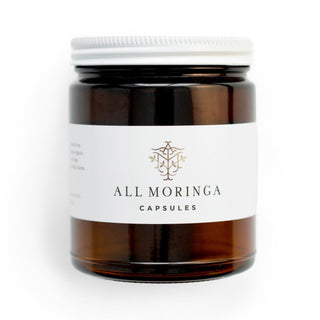
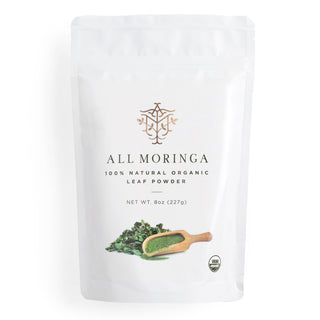
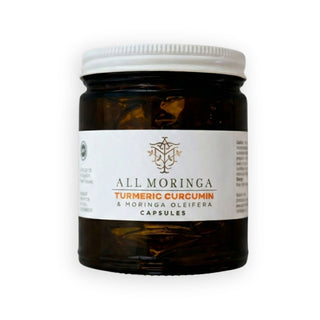
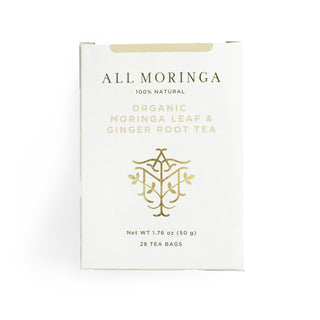
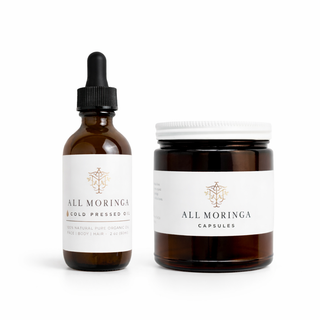
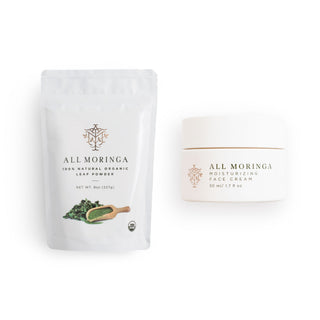
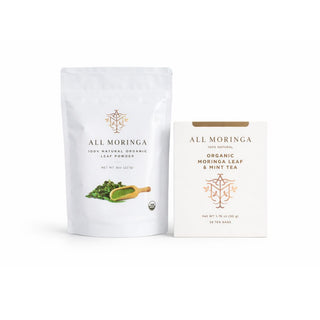
Add a teaspoon of Moringa powder to your smoothies, soups, or teas for a nutritional boost that supports everything from immune function to skin health. Alternatively, Moringa capsules are a convenient way to enjoy all the benefits without any prep time.
2. Moringa Seed Oil: Skincare’s Best-Kept Secret
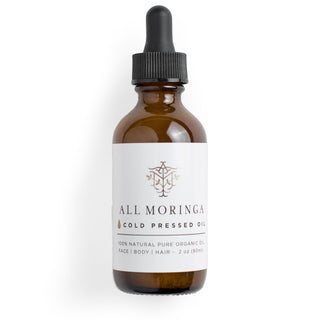
For glowing, hydrated skin, apply Moringa seed oil as a moisturizer or body oil. It’s rich in Vitamin E and essential fatty acids, helping to protect and rejuvenate the skin.
3. Better Together: The Inside-Out, Outside-In Approach
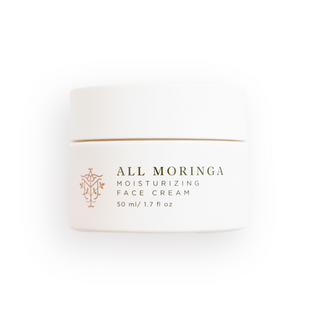
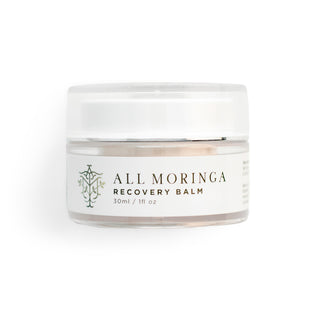
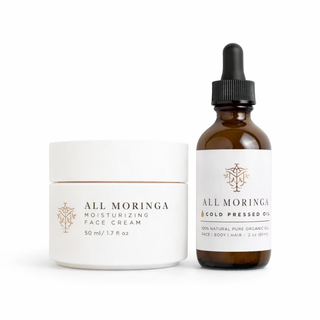
For the ultimate inside-out wellness routine, pair Moringa leaf powder or capsules with Moringa seed oil, Moringa recovery balm or Moringa face cream. Start your day with a Moringa-infused smoothie and end it with a few drops of seed oil on your skin for a total-body approach to health and beauty.
4. Building Healthy Habits
The key to getting the most from Moringa is consistency: a little every day is the simplest way to make it part of your diet and your skin care.
Moringa offers a unique blend of bioactive compounds, with its isothiocyanates leading the research interest. From antioxidant support to everyday nutrition and skin care, Moringa works from the inside out. Whether you choose Moringa powder, capsules, or seed oil, balm, or cream, you’re choosing a whole plant that is easy to fit into your daily routine.
Citations:
Isothiocyanate-rich Moringa oleifera extract reduces weight gain, insulin resistance and hepatic gluconeogenesis
https://pmc.ncbi.nlm.nih.gov/articles/PMC4456298/
https://www.ncbi.nlm.nih.gov/pmc/articles/PMC6278362/
https://www.ncbi.nlm.nih.gov/pmc/articles/PMC8869219/
https://www.ncbi.nlm.nih.gov/pmc/articles/PMC6278362/
https://www.ncbi.nlm.nih.gov/pmc/articles/PMC6226005/
https://www.sciencedirect.com/topics/agricultural-and-biological-sciences/isothiocyanate
FDA Disclaimer

*This statement has not been evaluated by the Food and Drug Administration. This product is not intended to diagnose, treat, cure, or prevent any disease.
Leave a comment
This site is protected by hCaptcha and the hCaptcha Privacy Policy and Terms of Service apply.